Dutch heritage
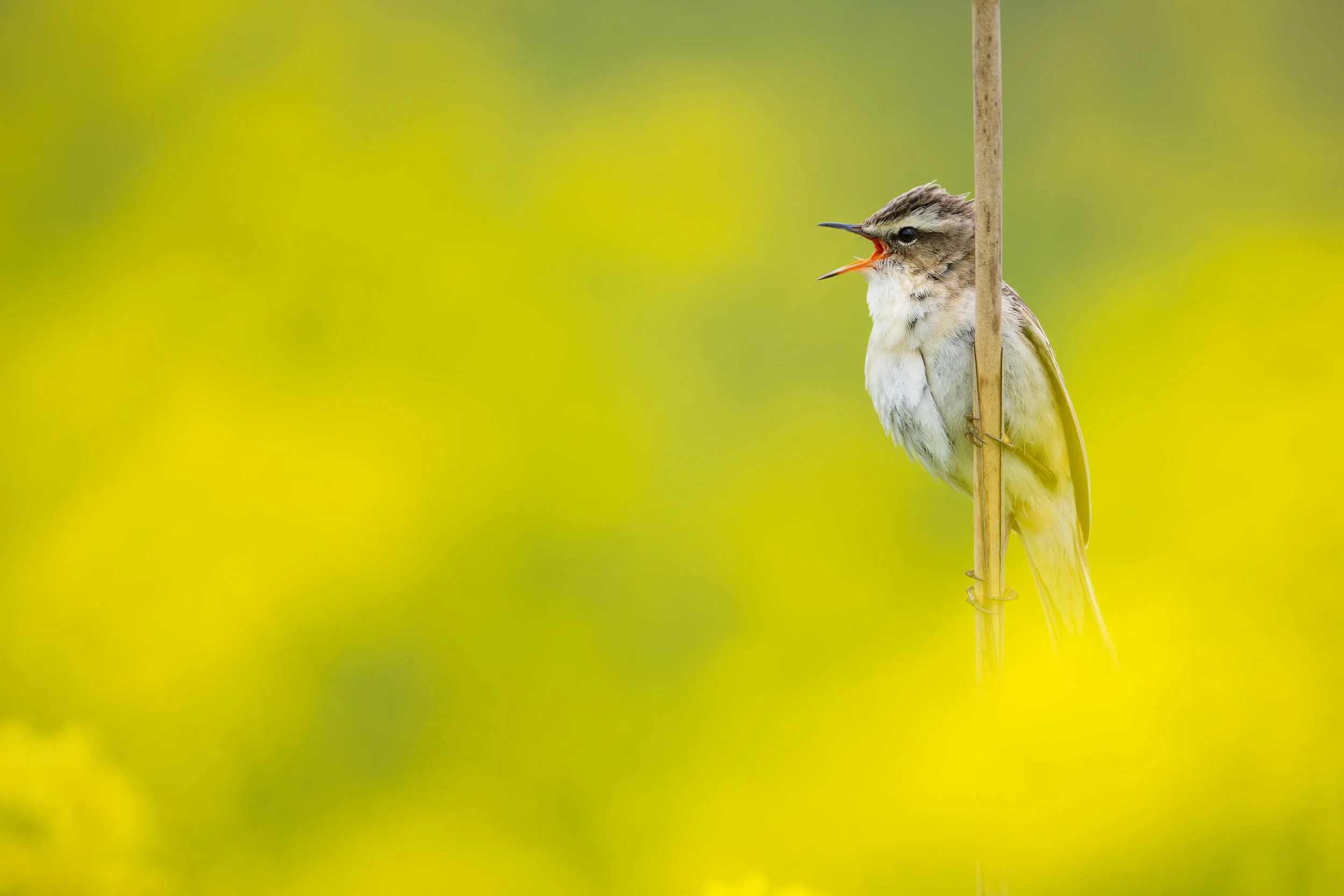
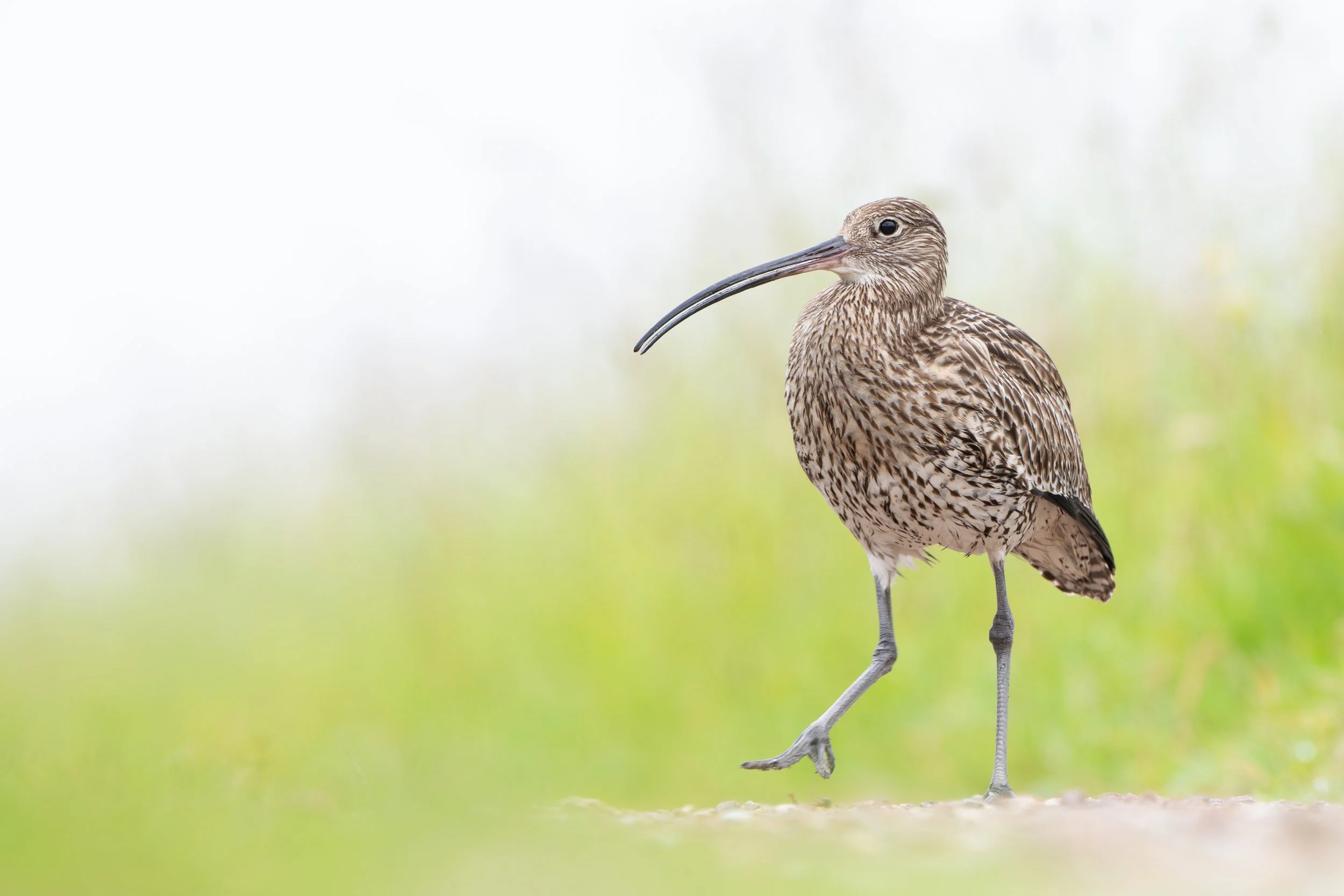
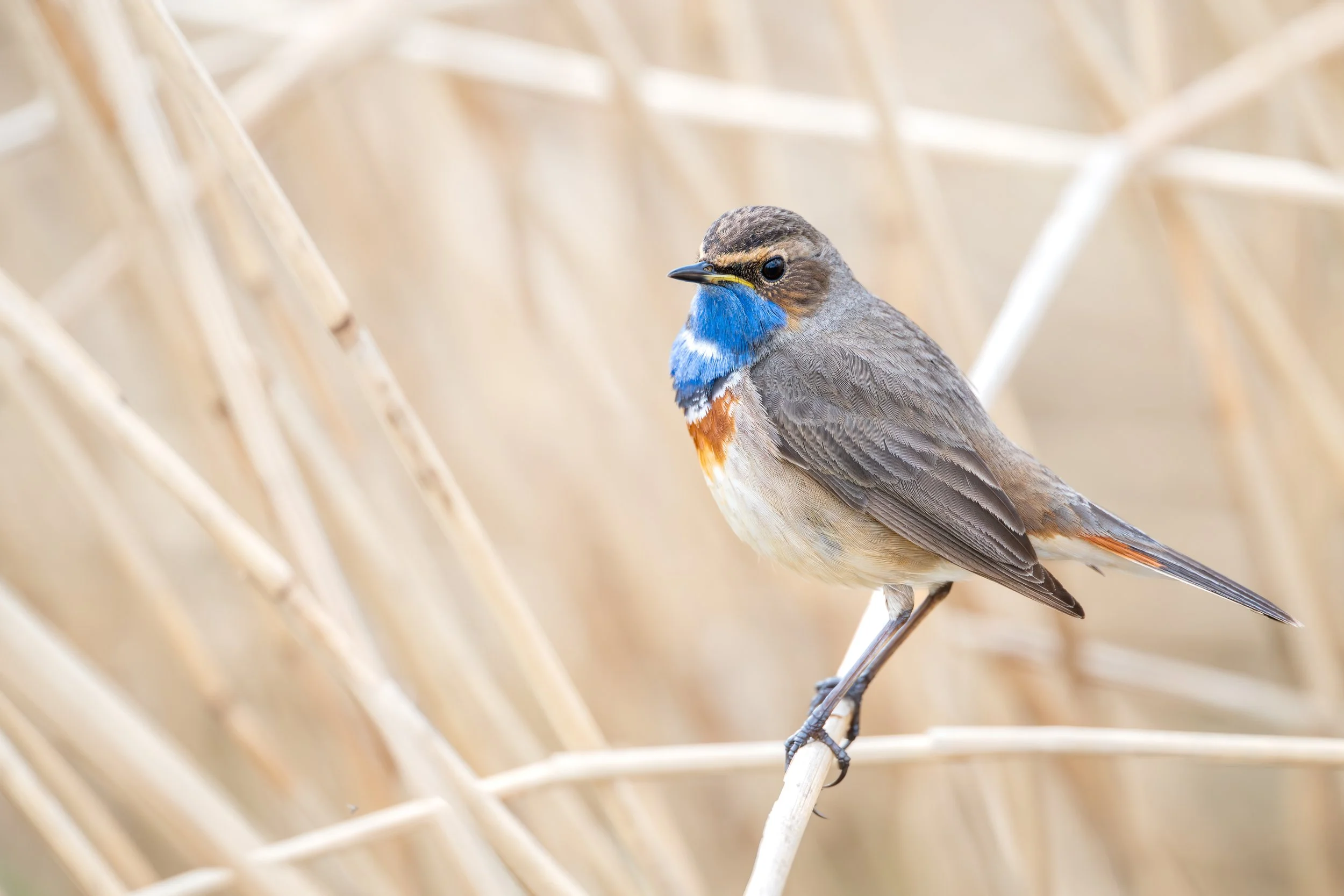
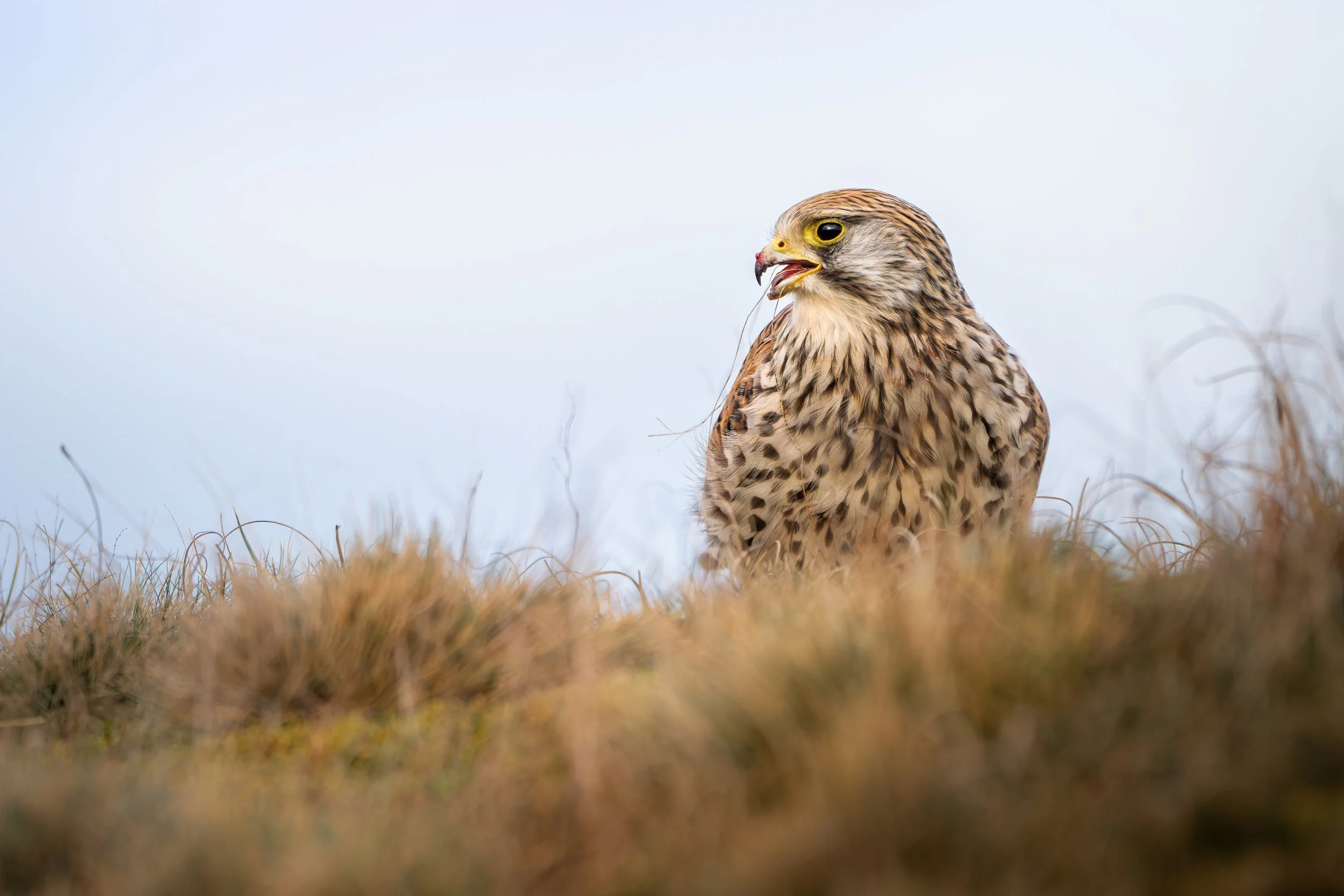
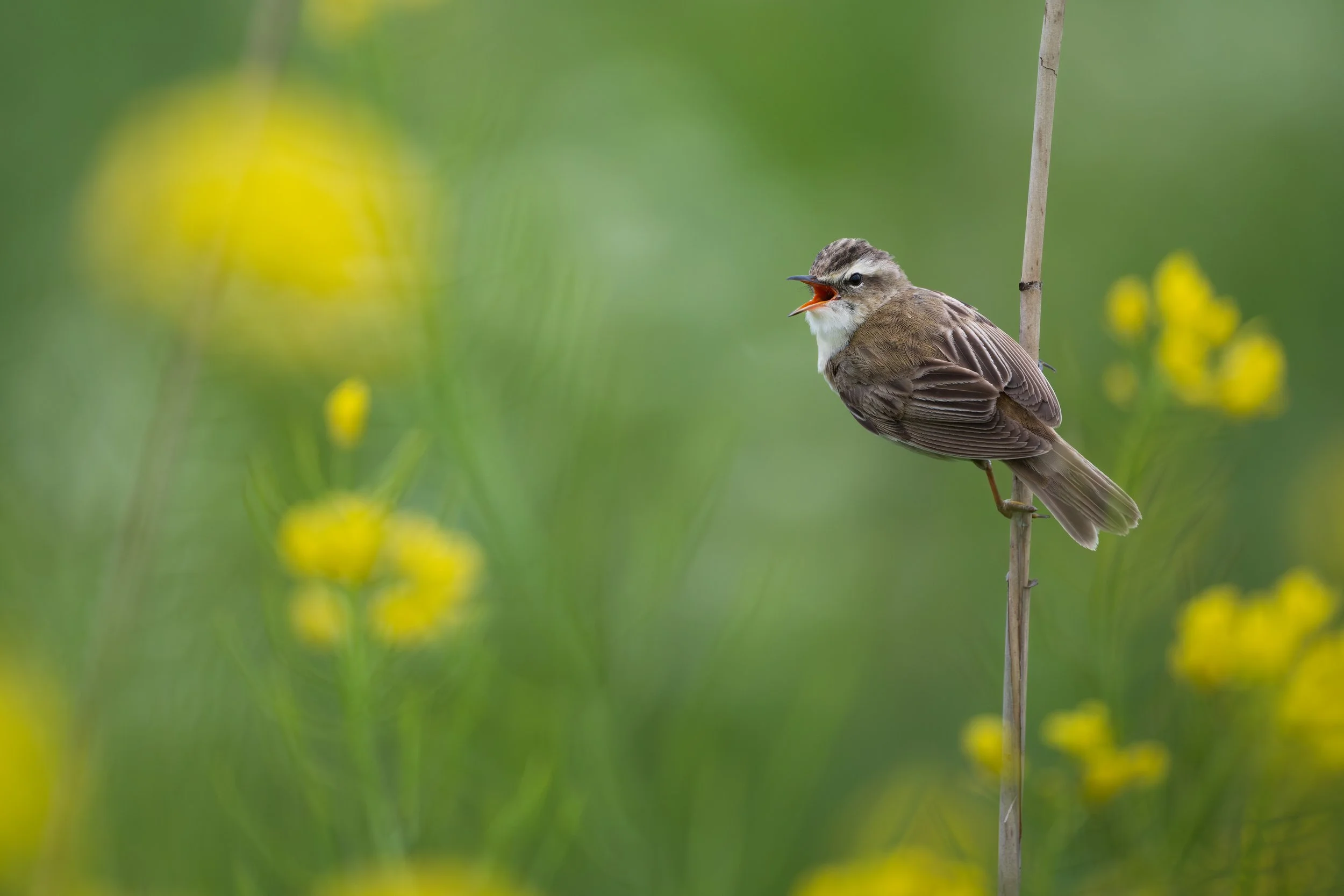
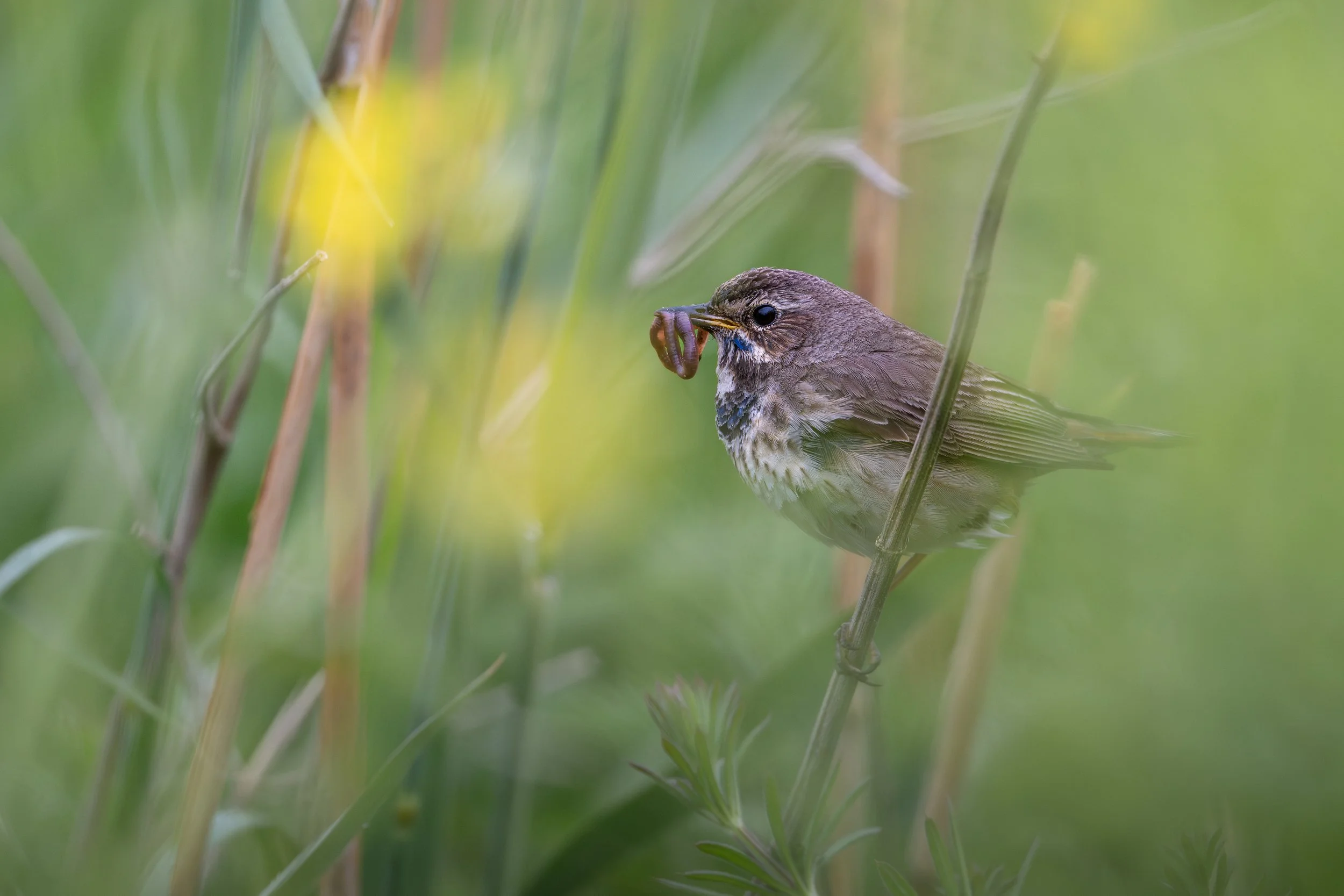
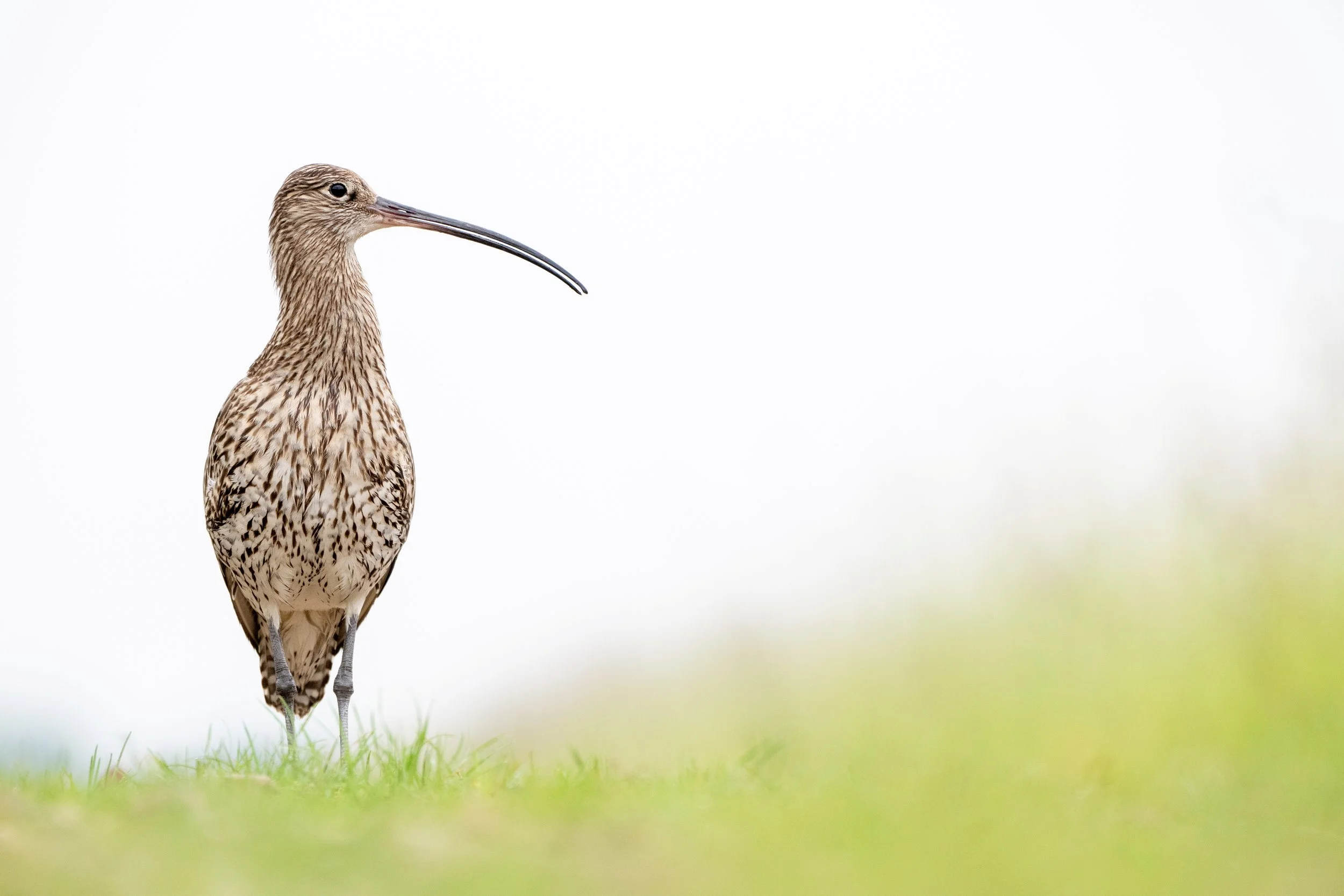
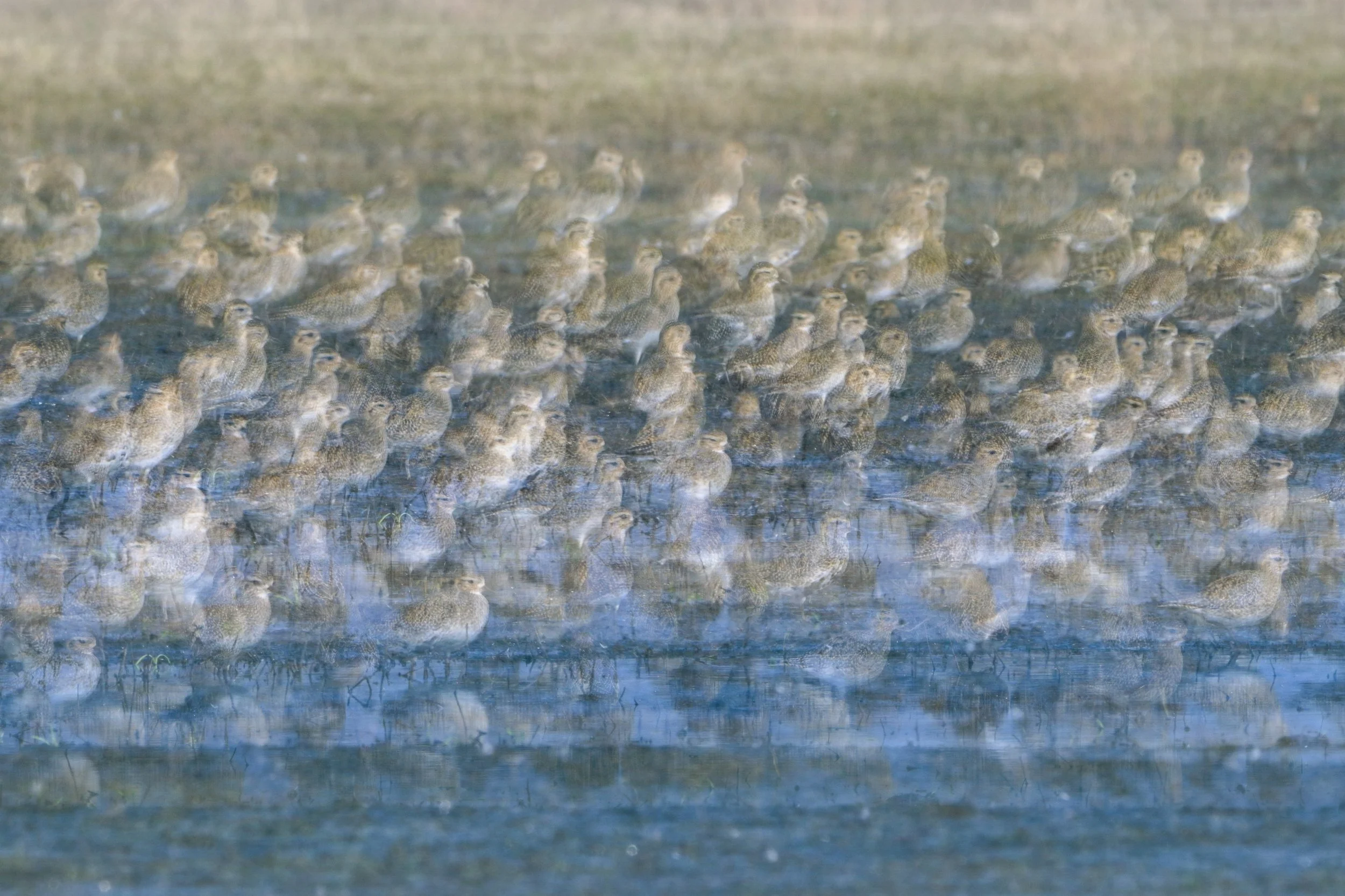
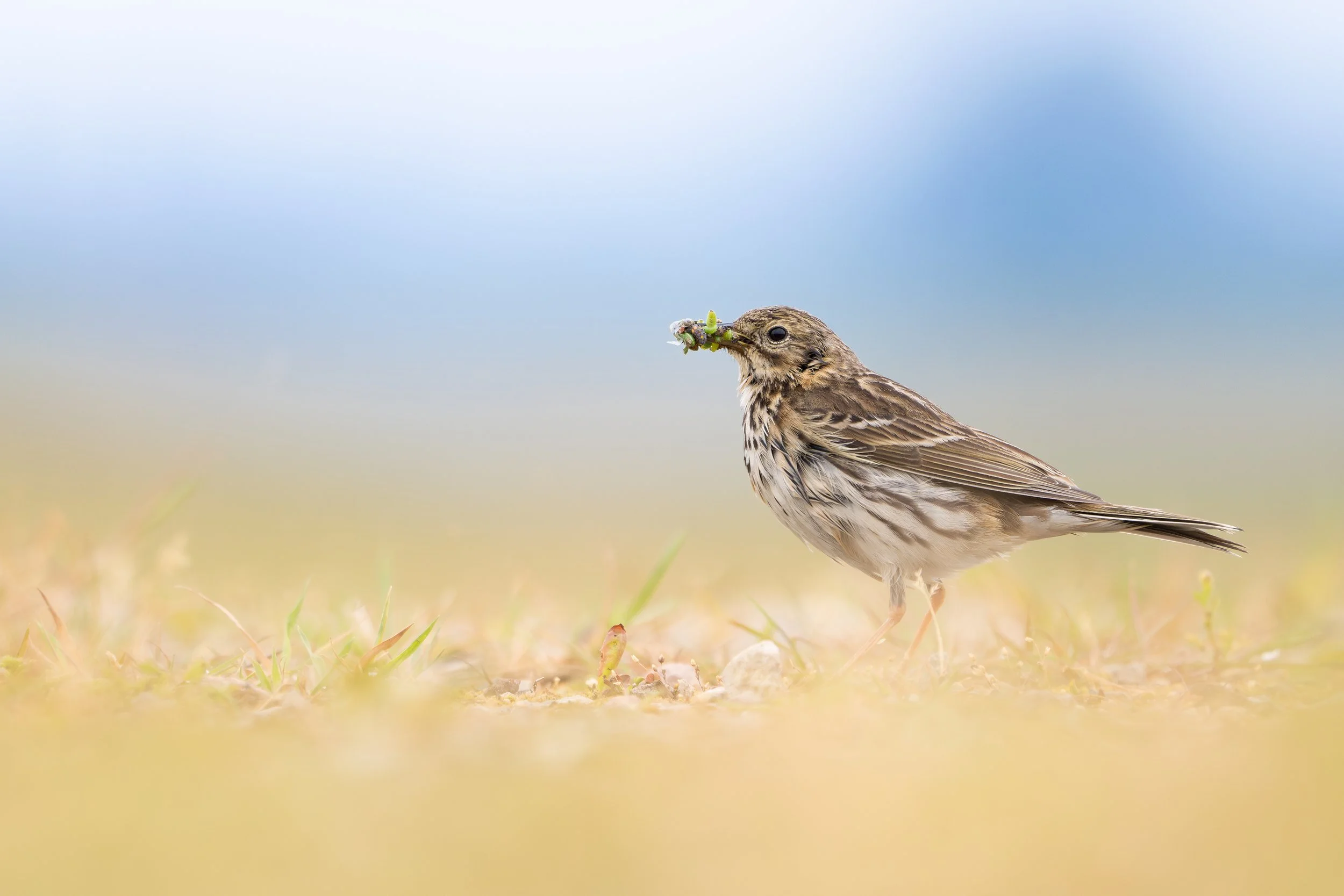
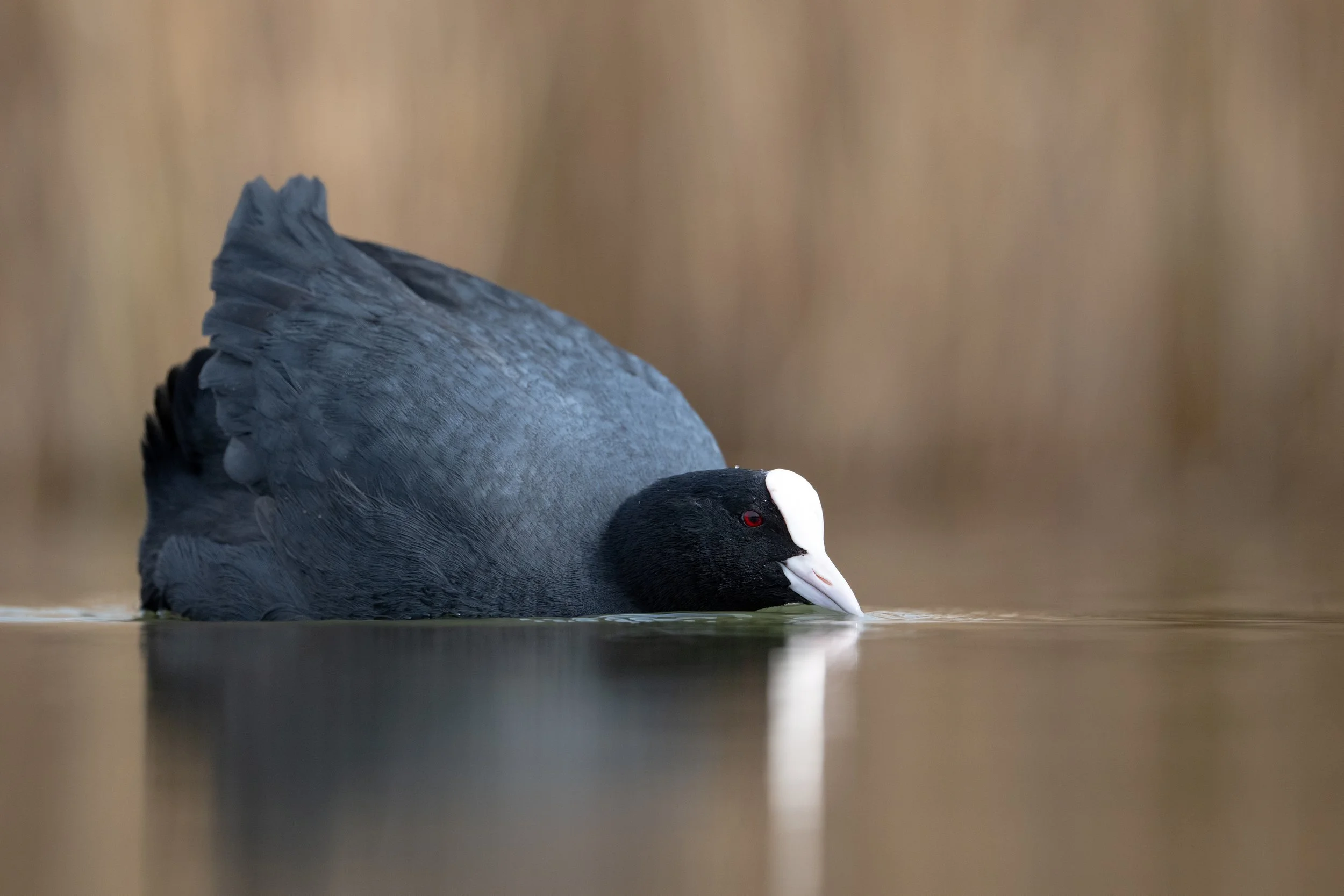
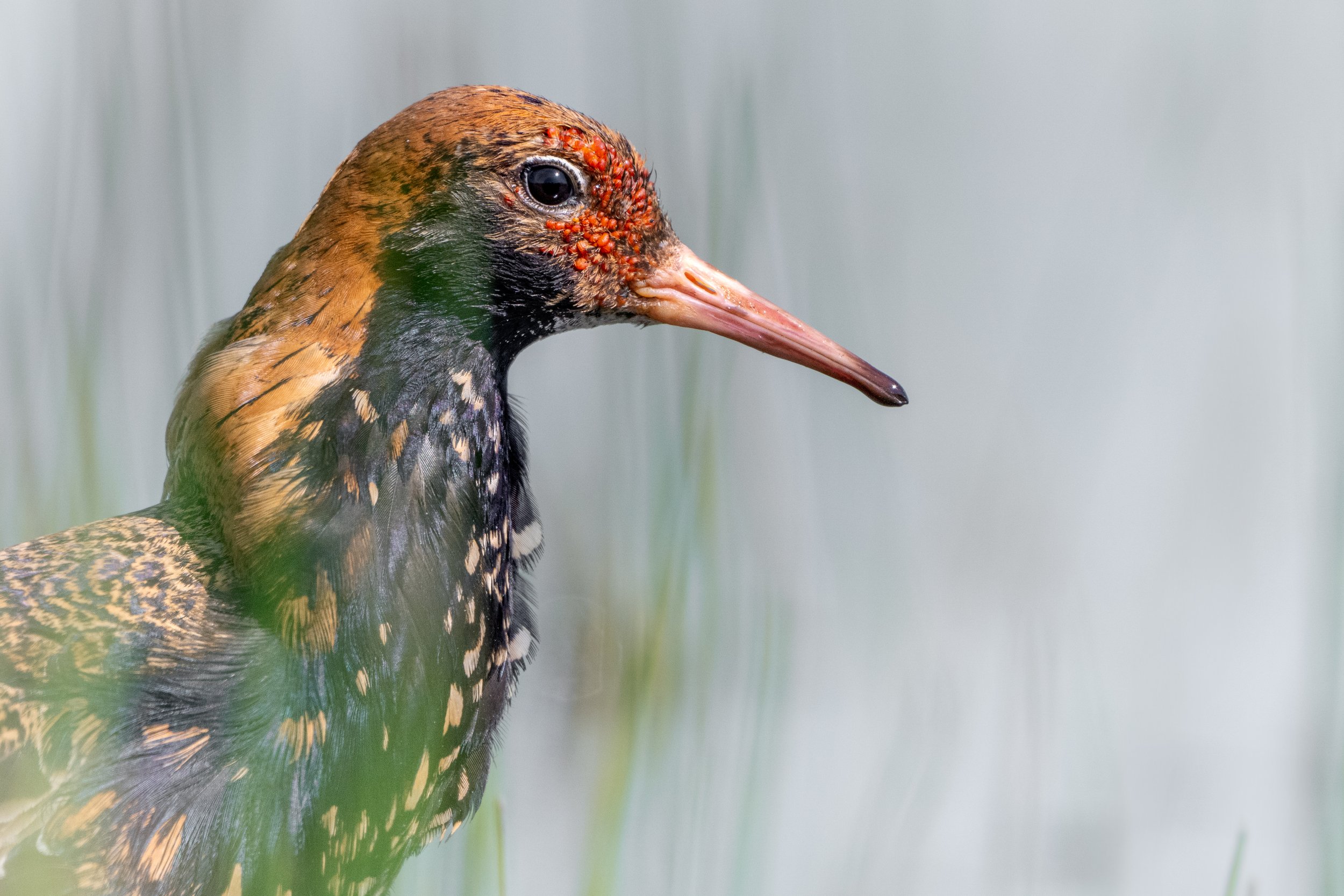
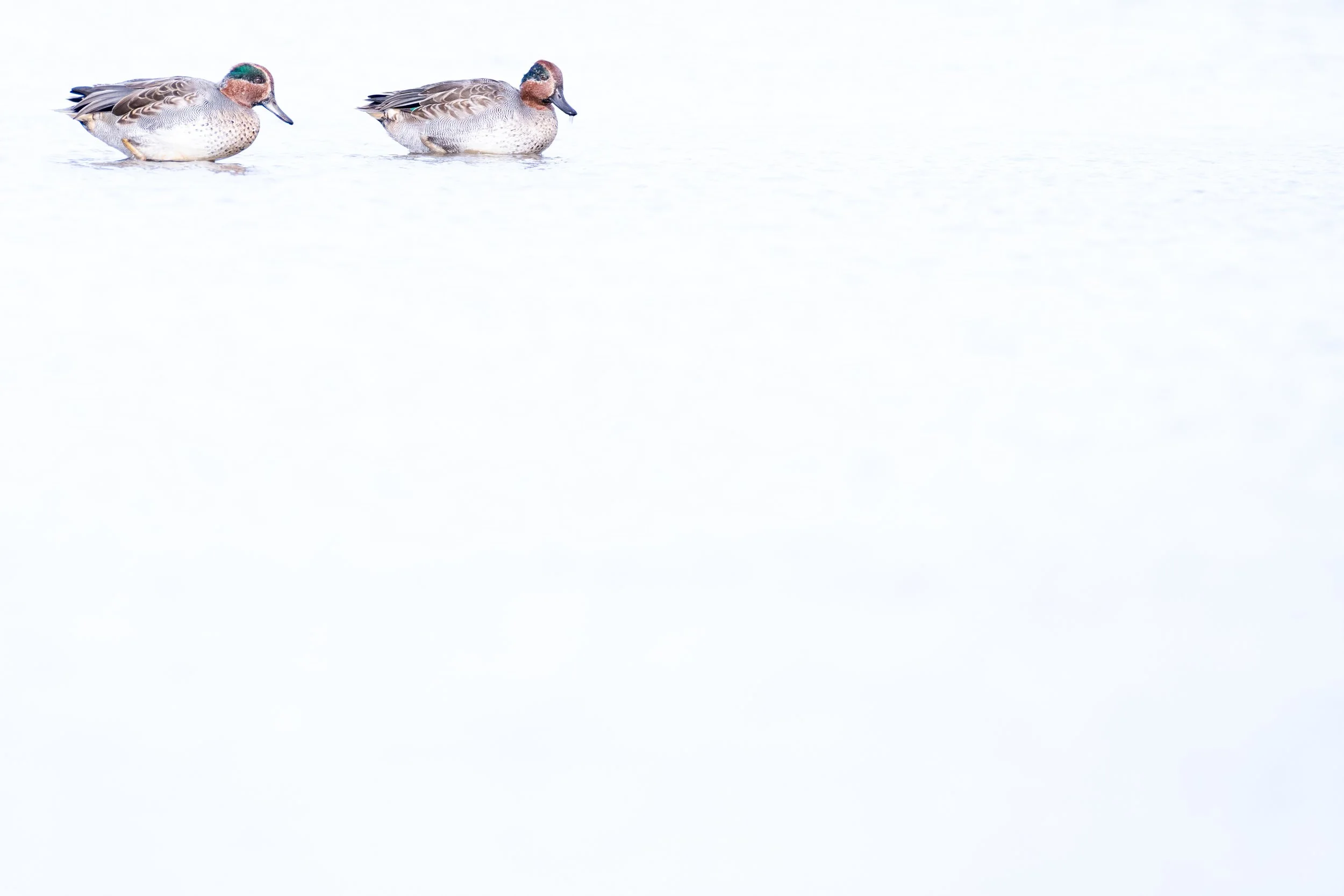
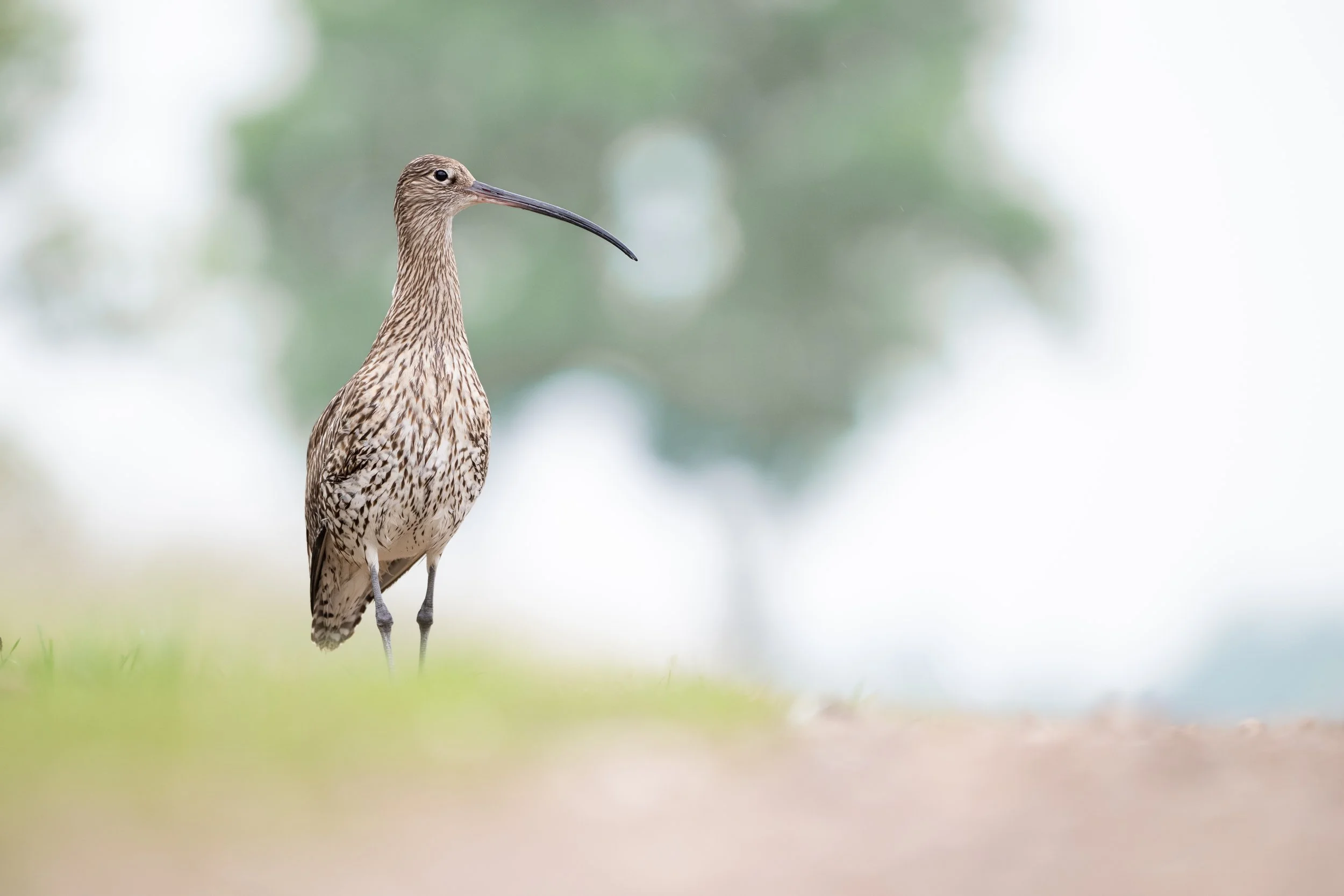
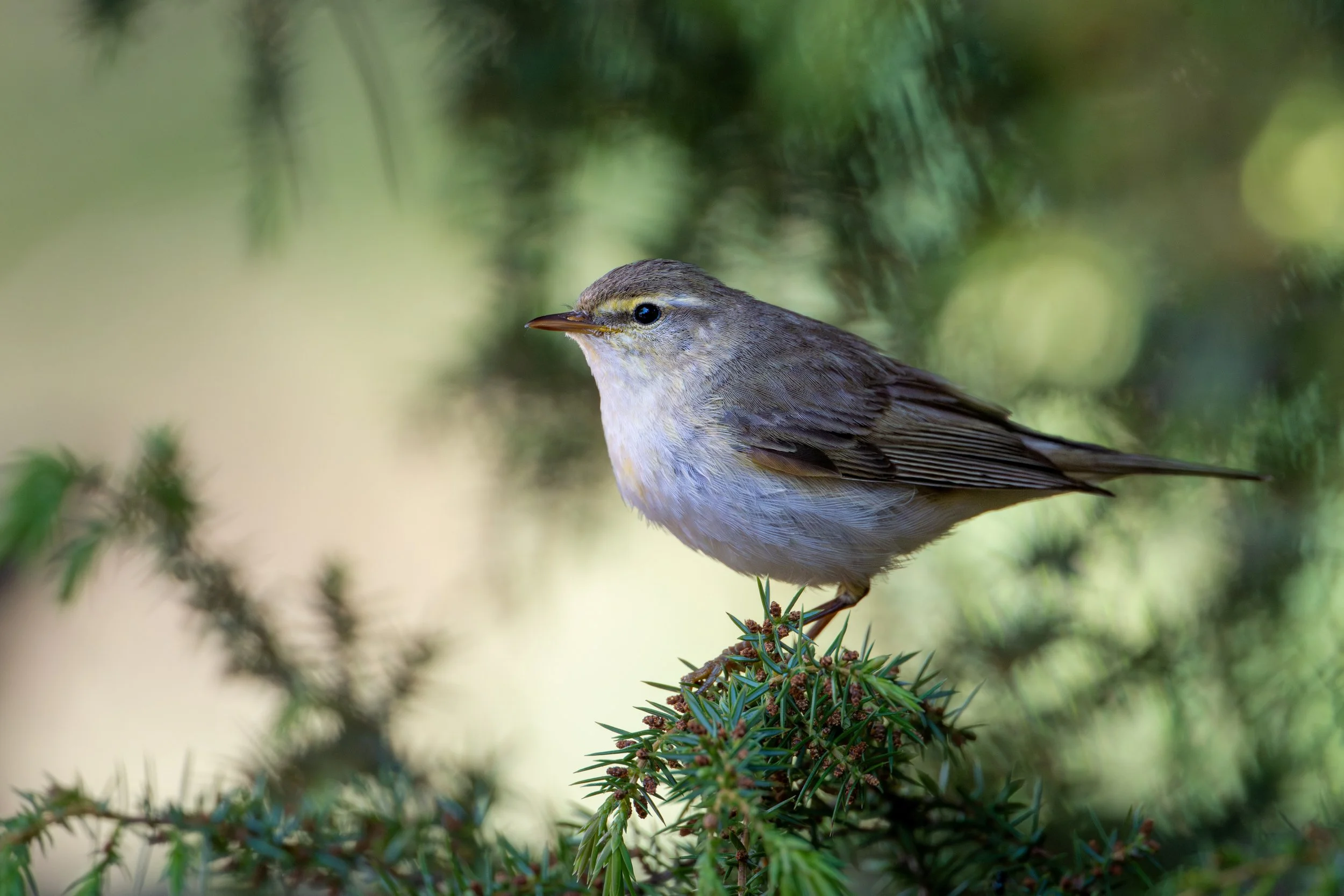
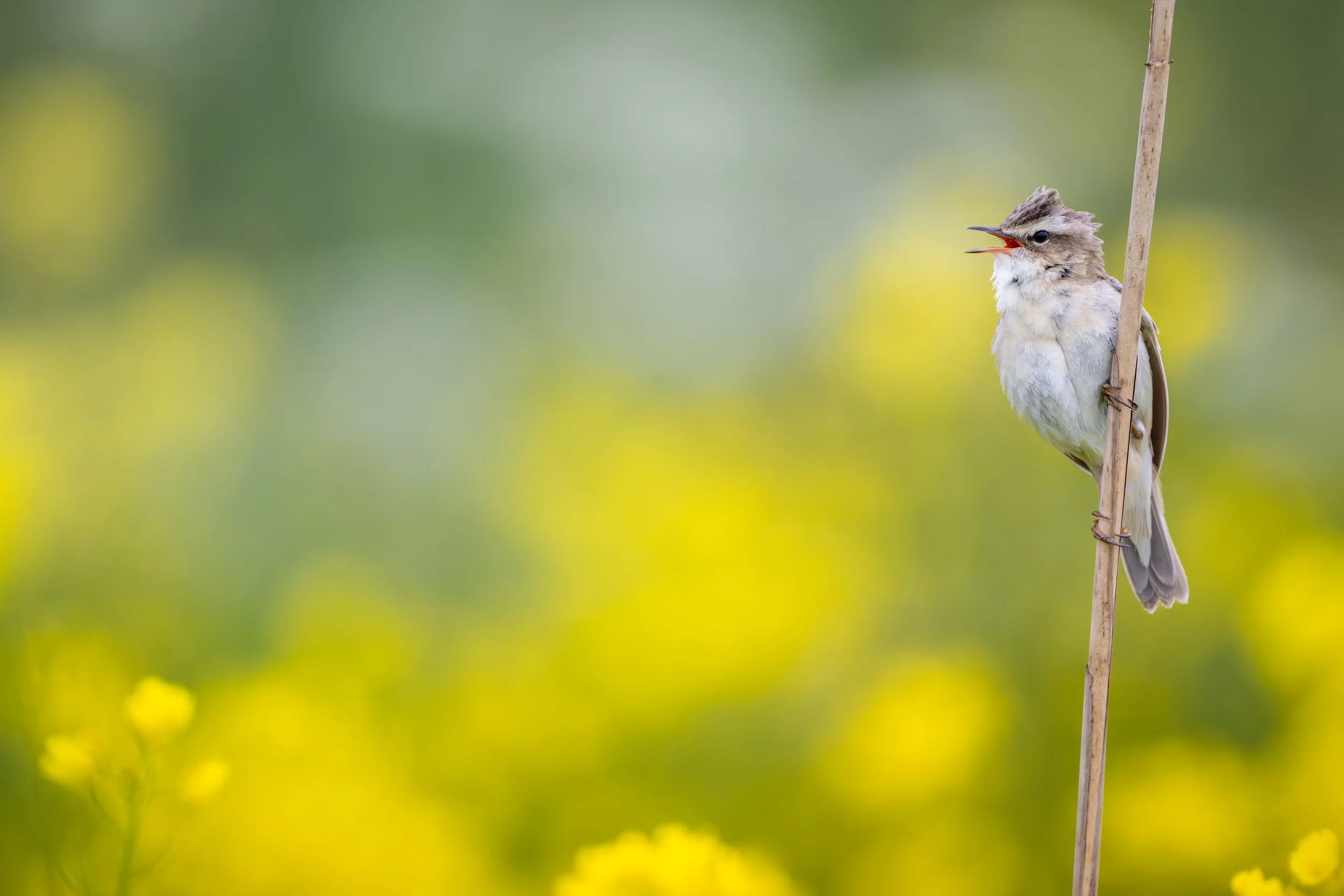
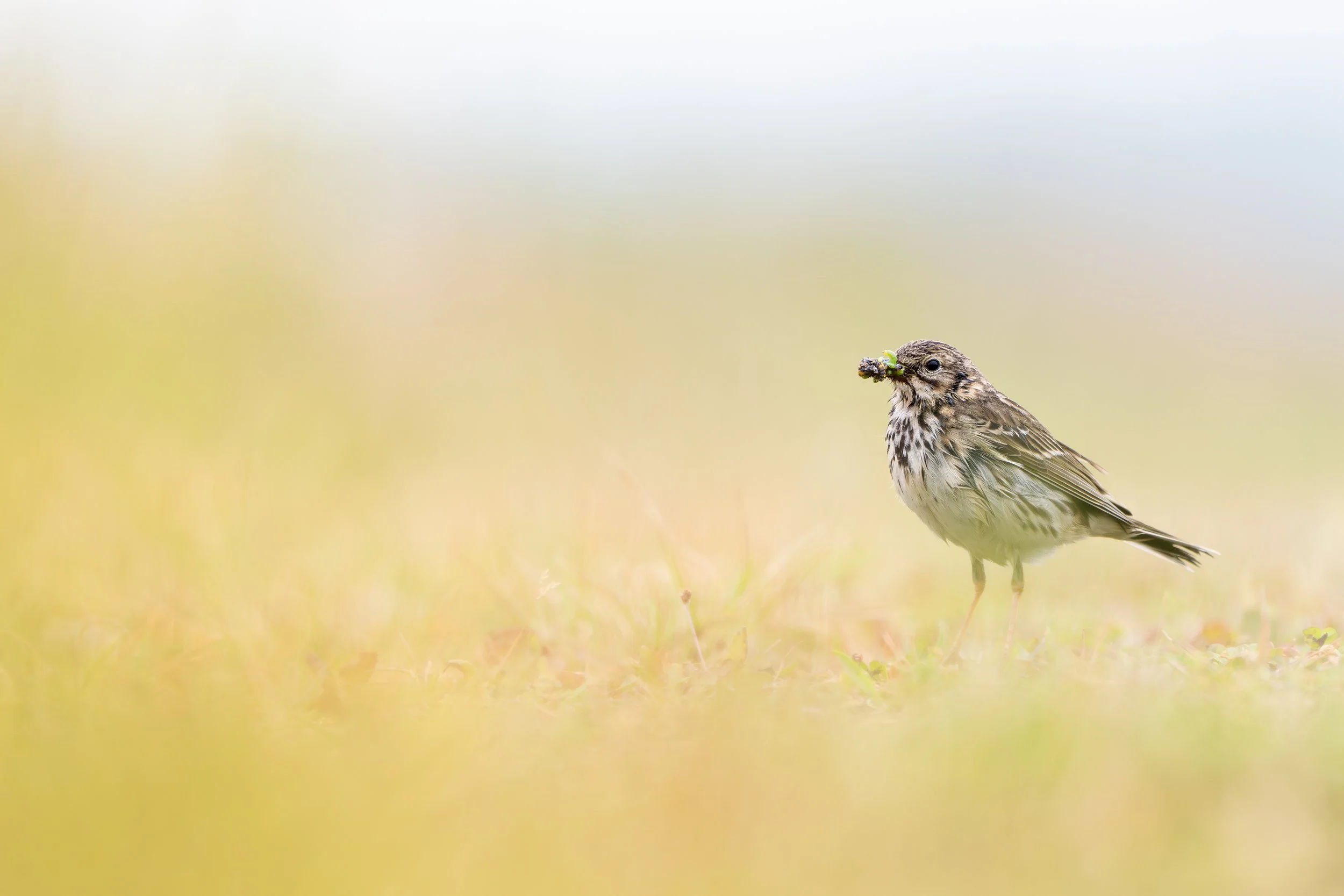
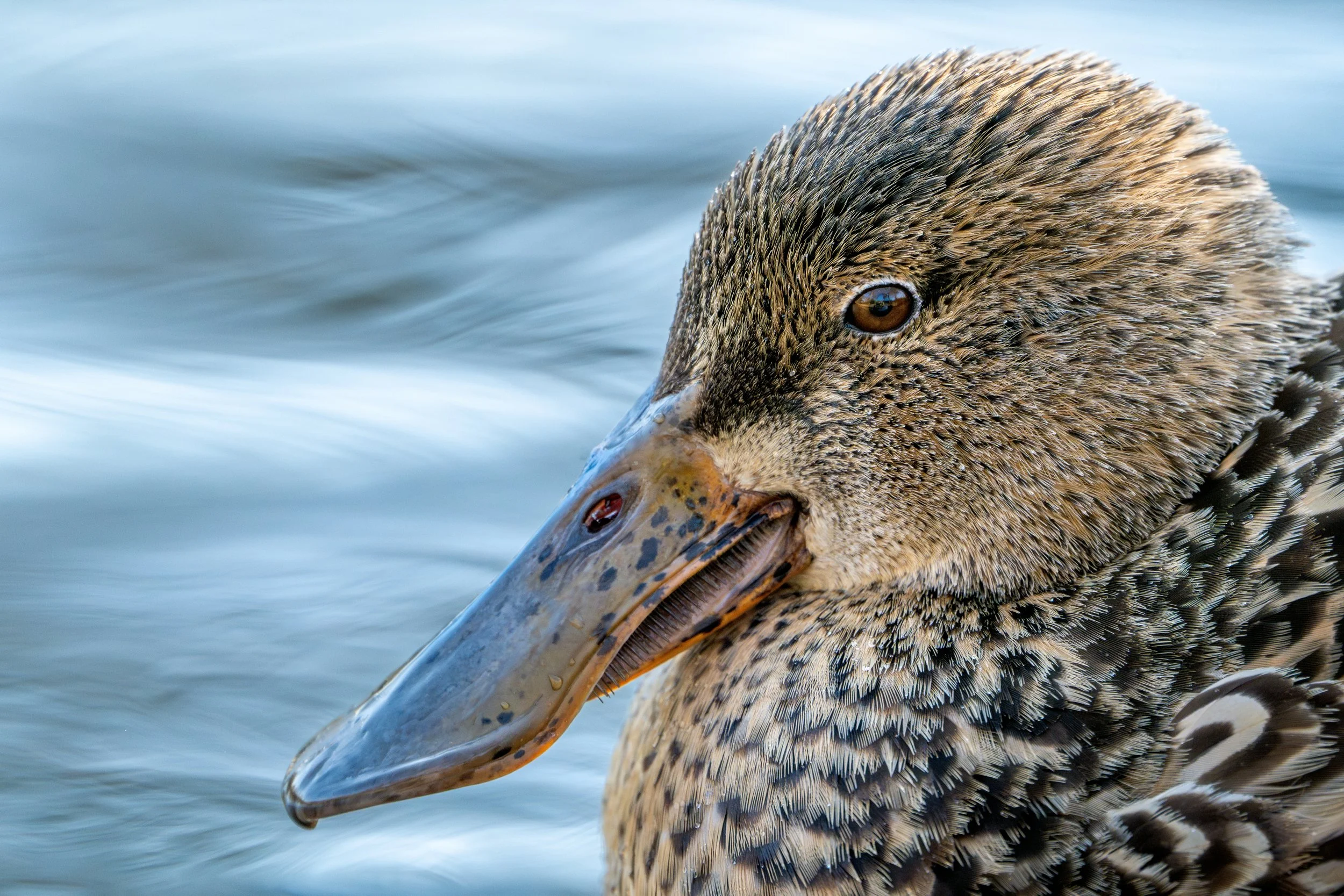
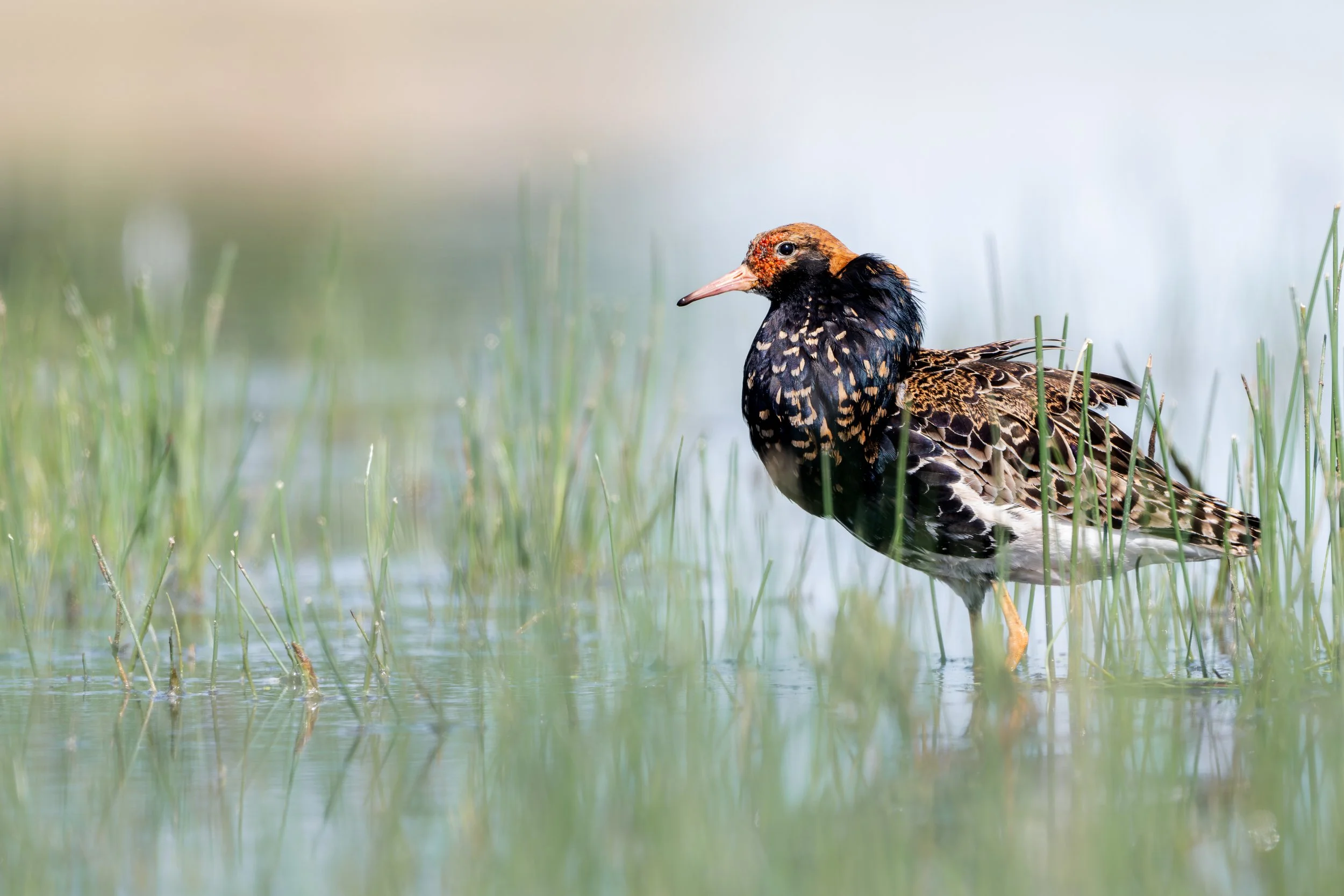
Dutch wetlands and grasslands are essential for sensitive species of waders, songbirds, and waterfowl. Among them are the declining black-tailed godwit, the elegant Eurasian curlew, and the brilliant bluethroat, as well as plenty of once-shy but now omnipresent waterfowl like the bold Eurasian coot.
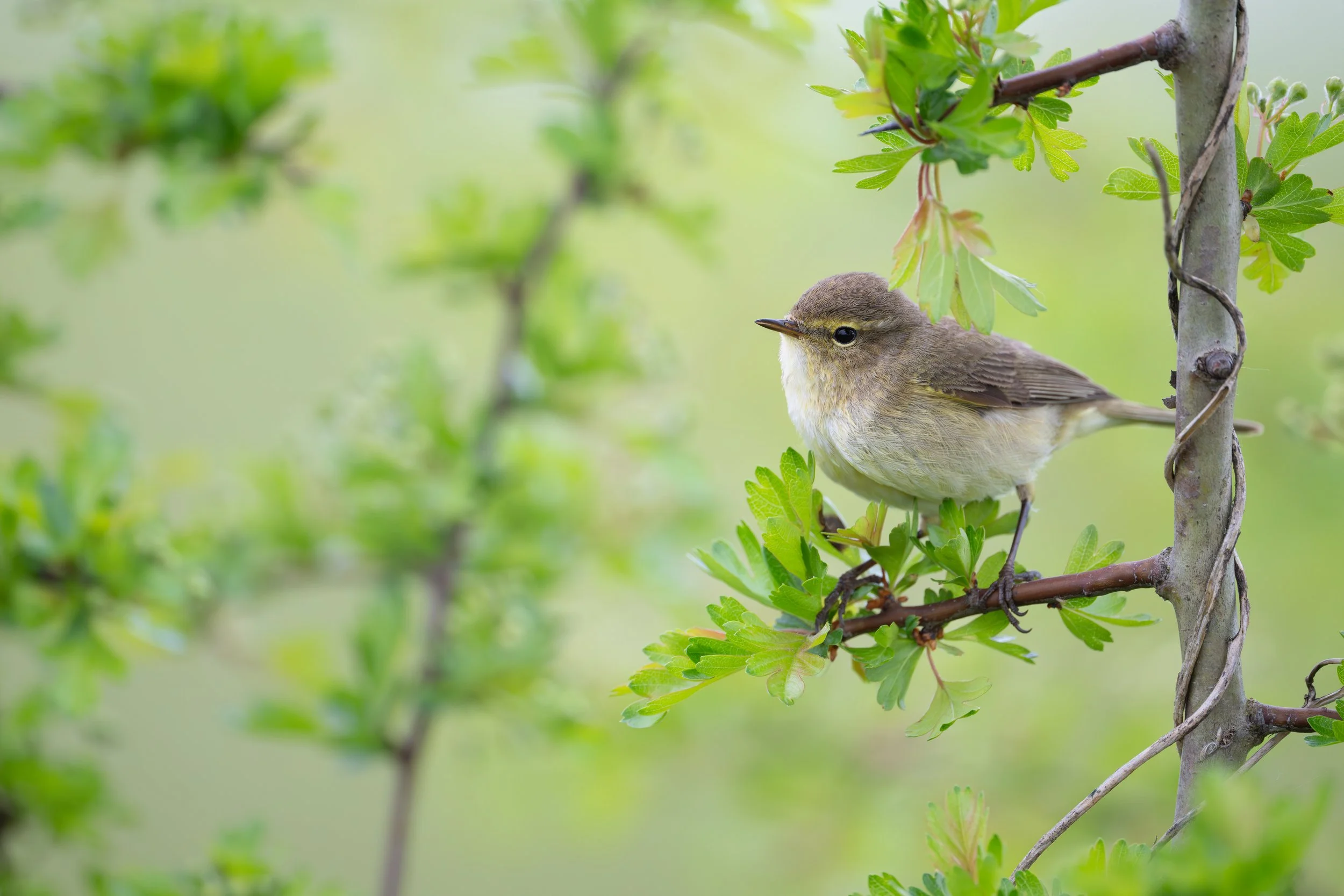
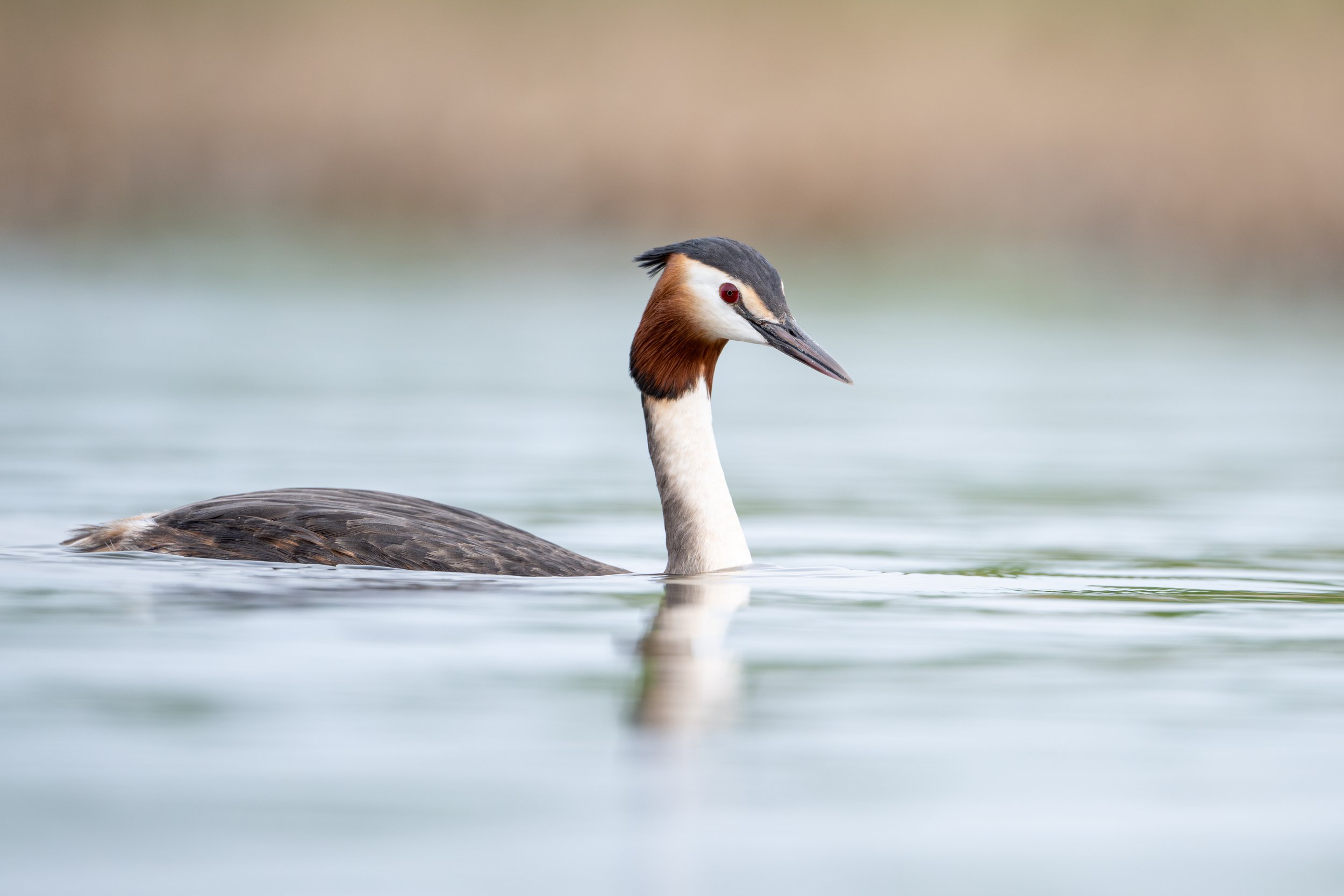
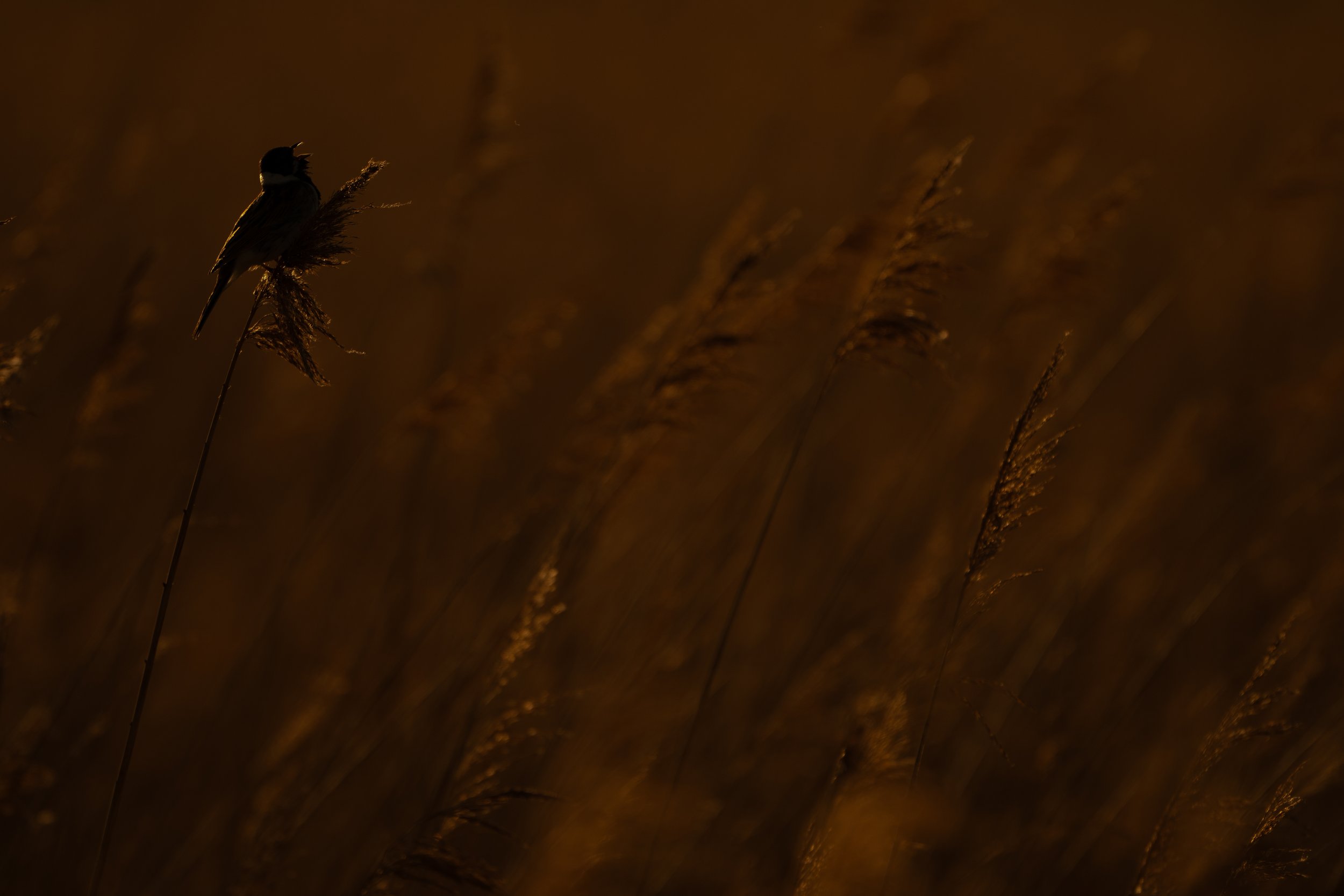
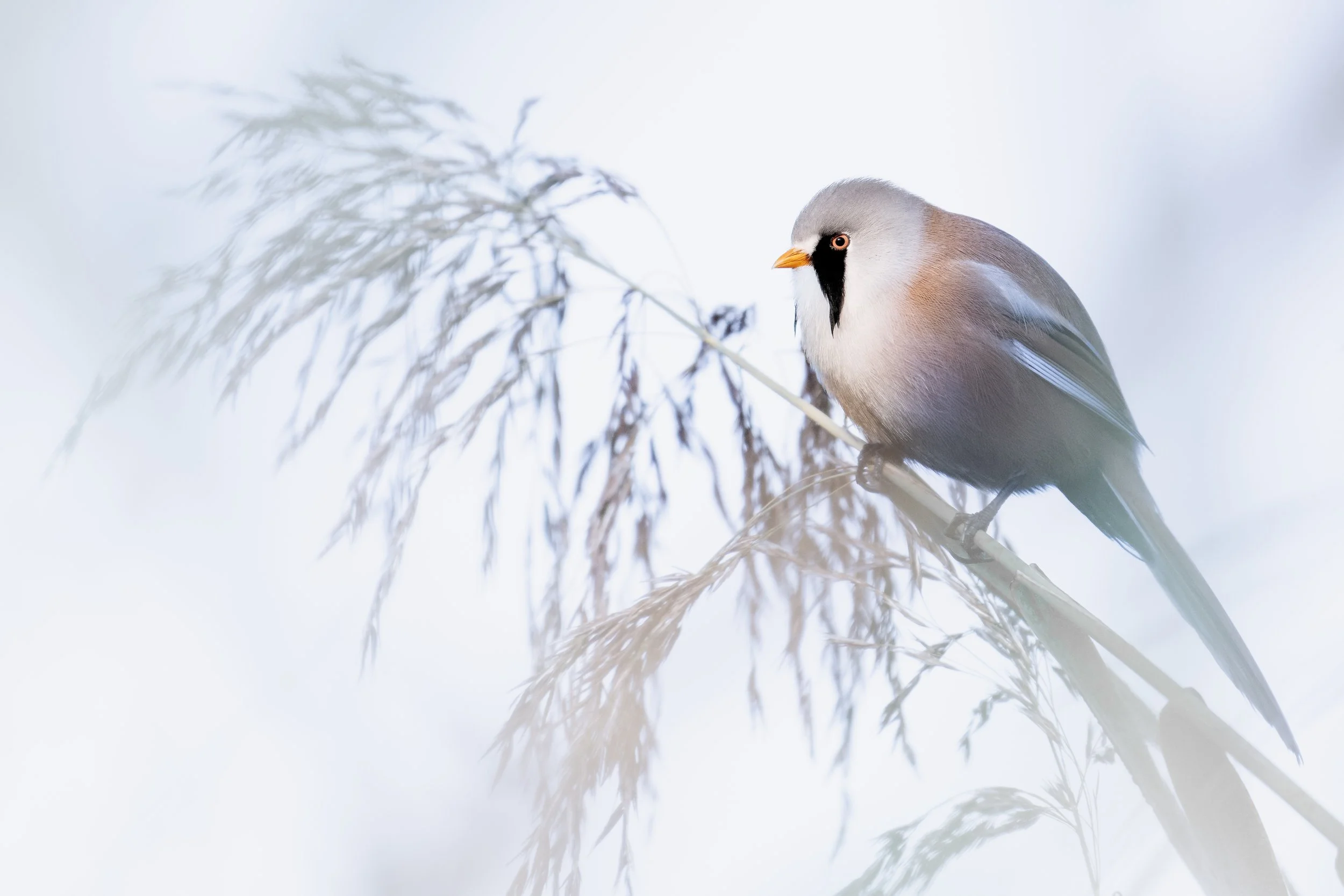
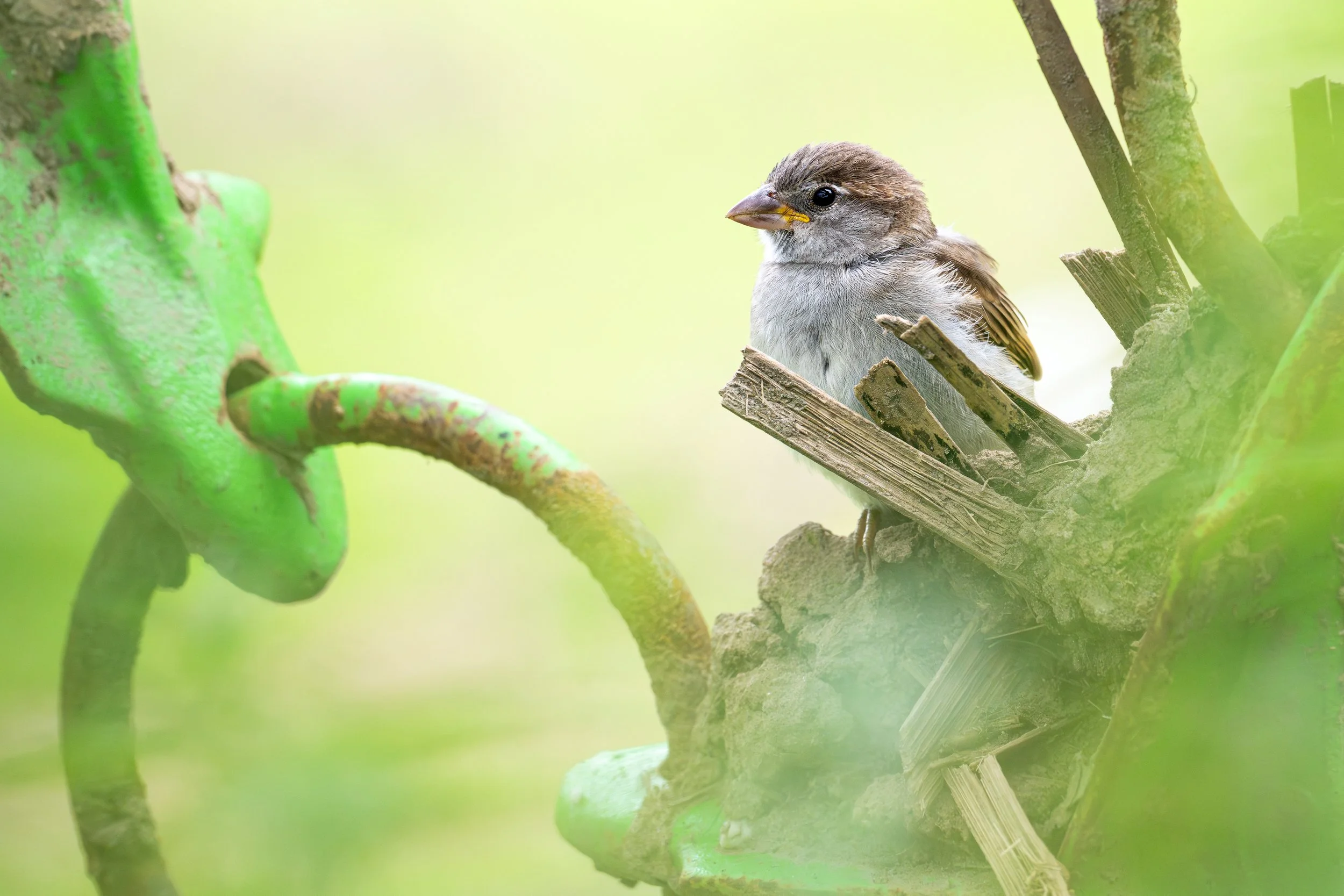
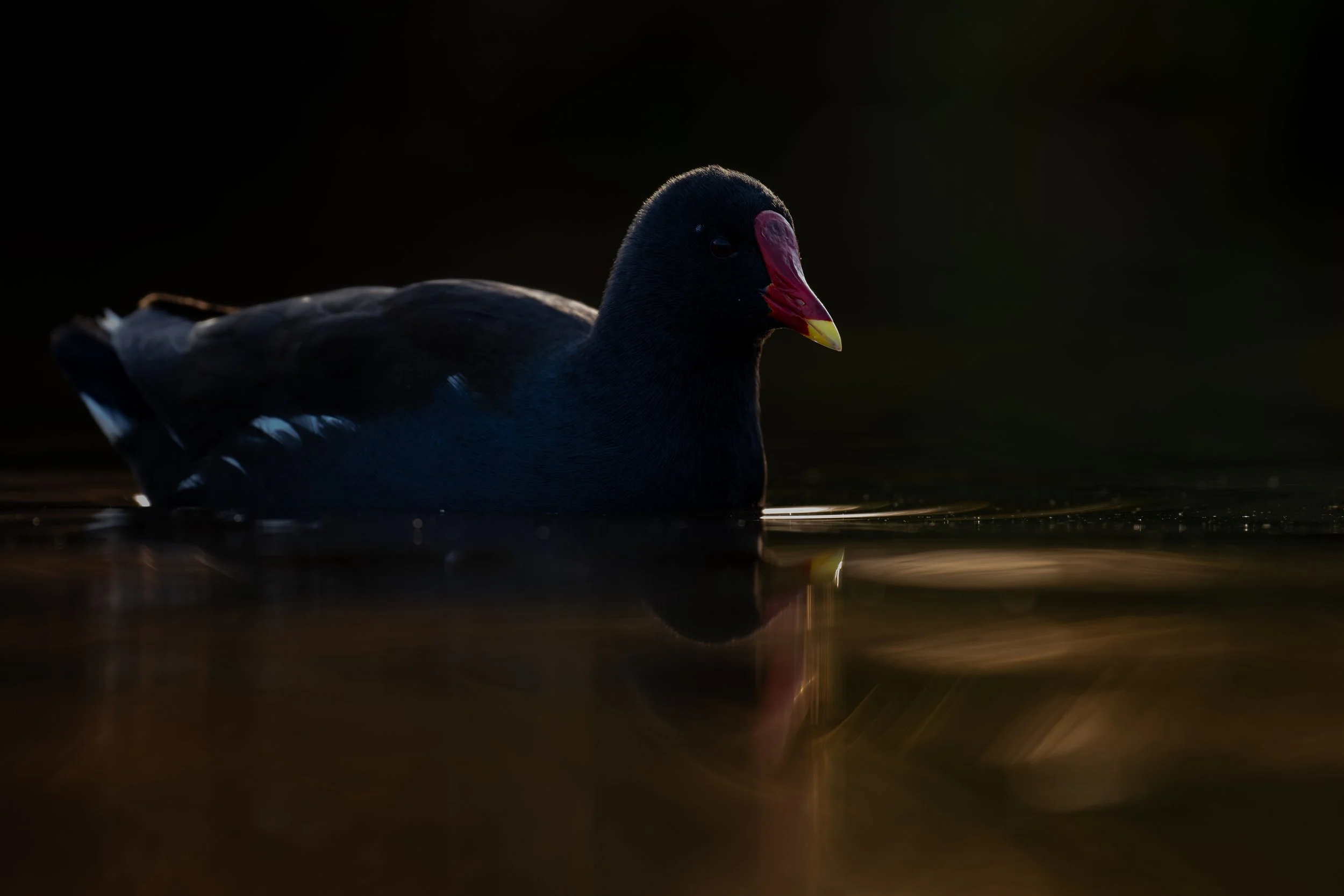
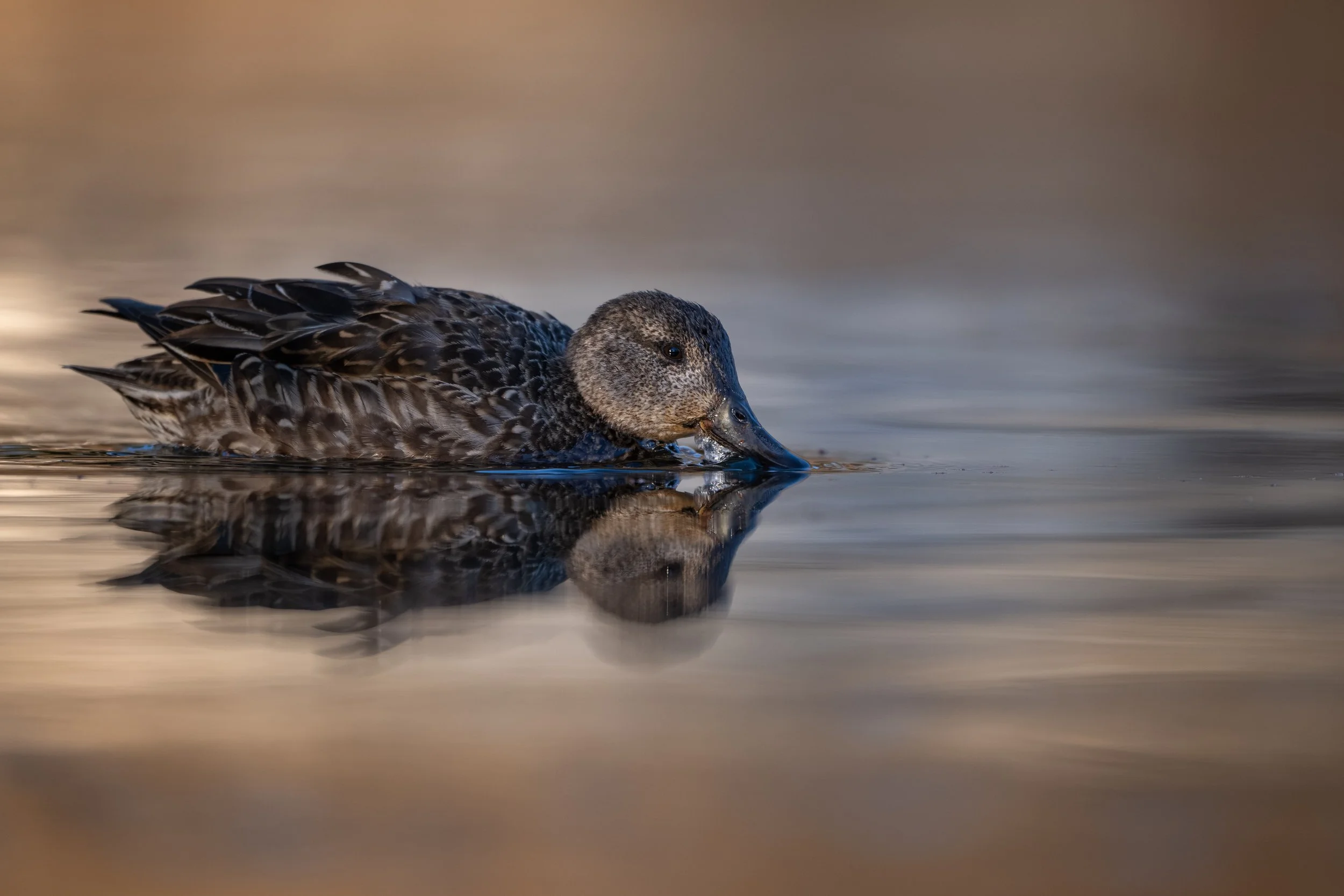
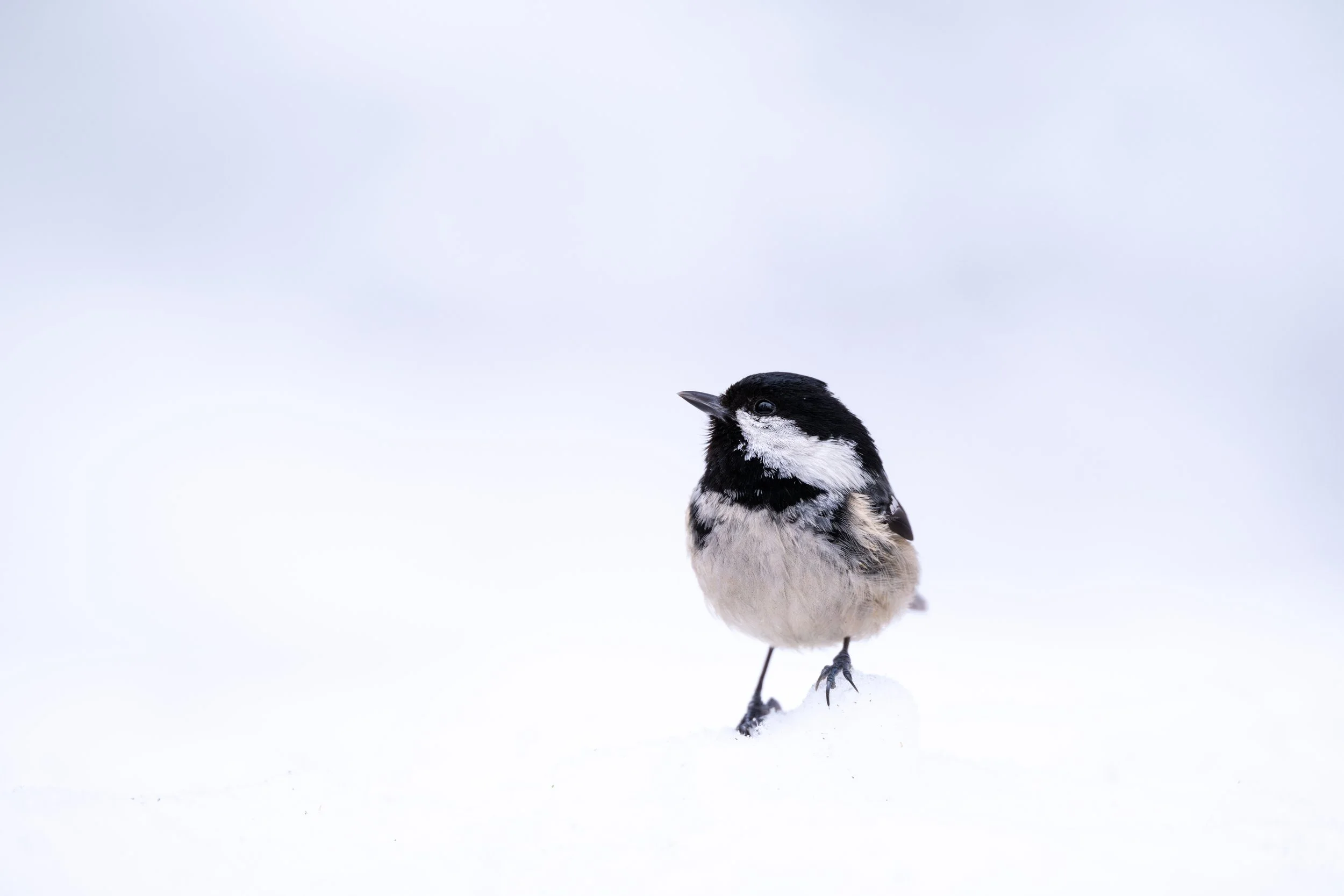
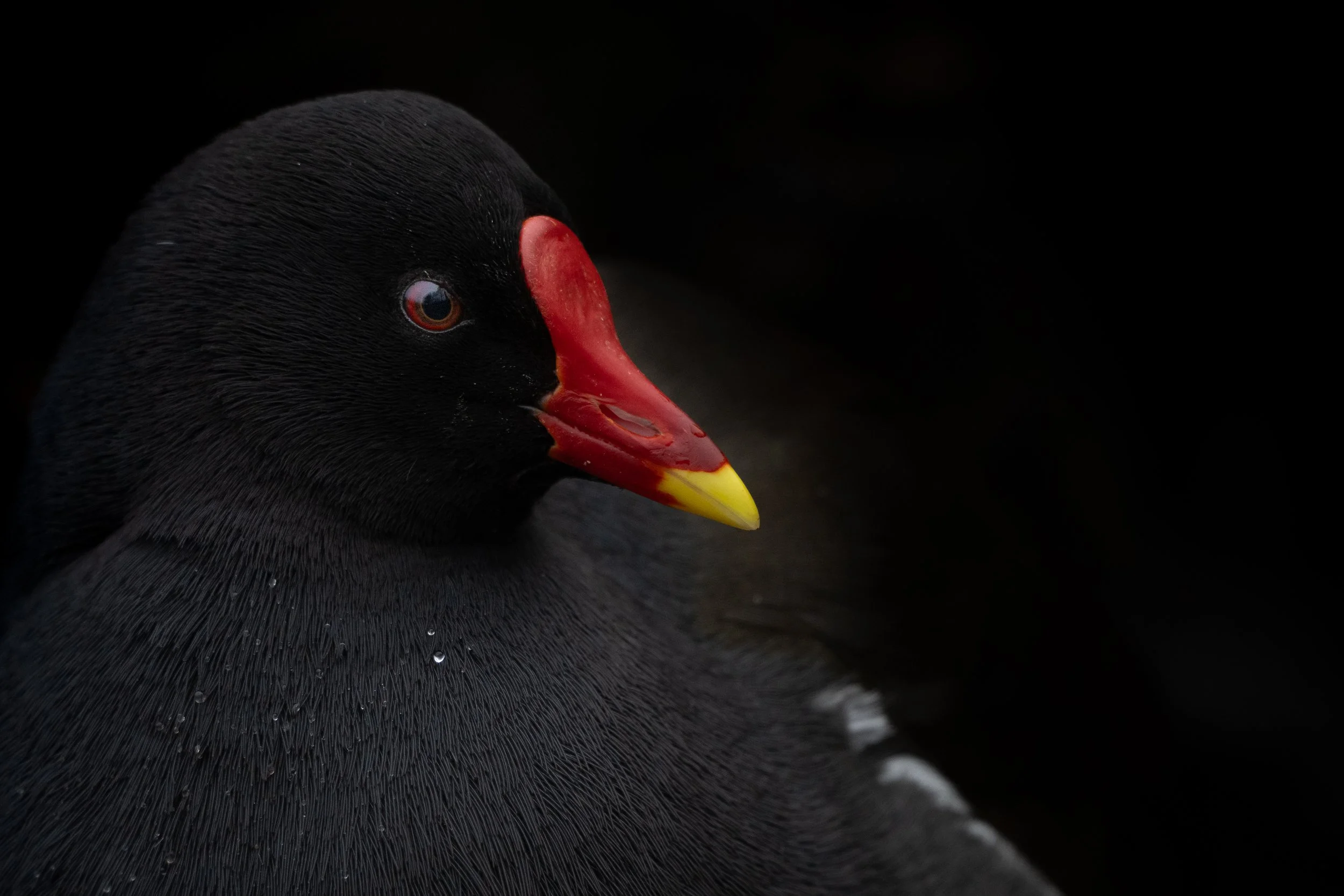
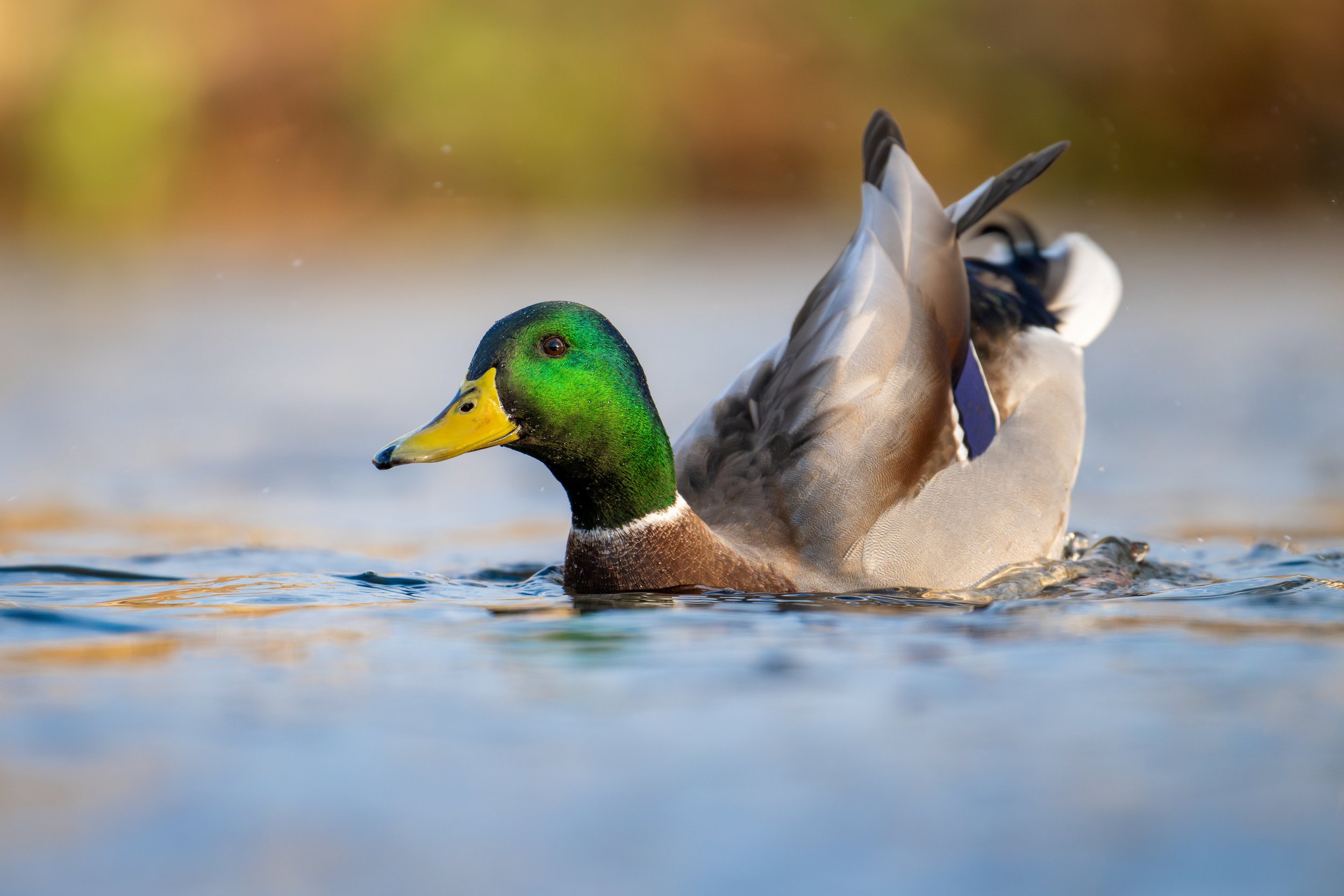
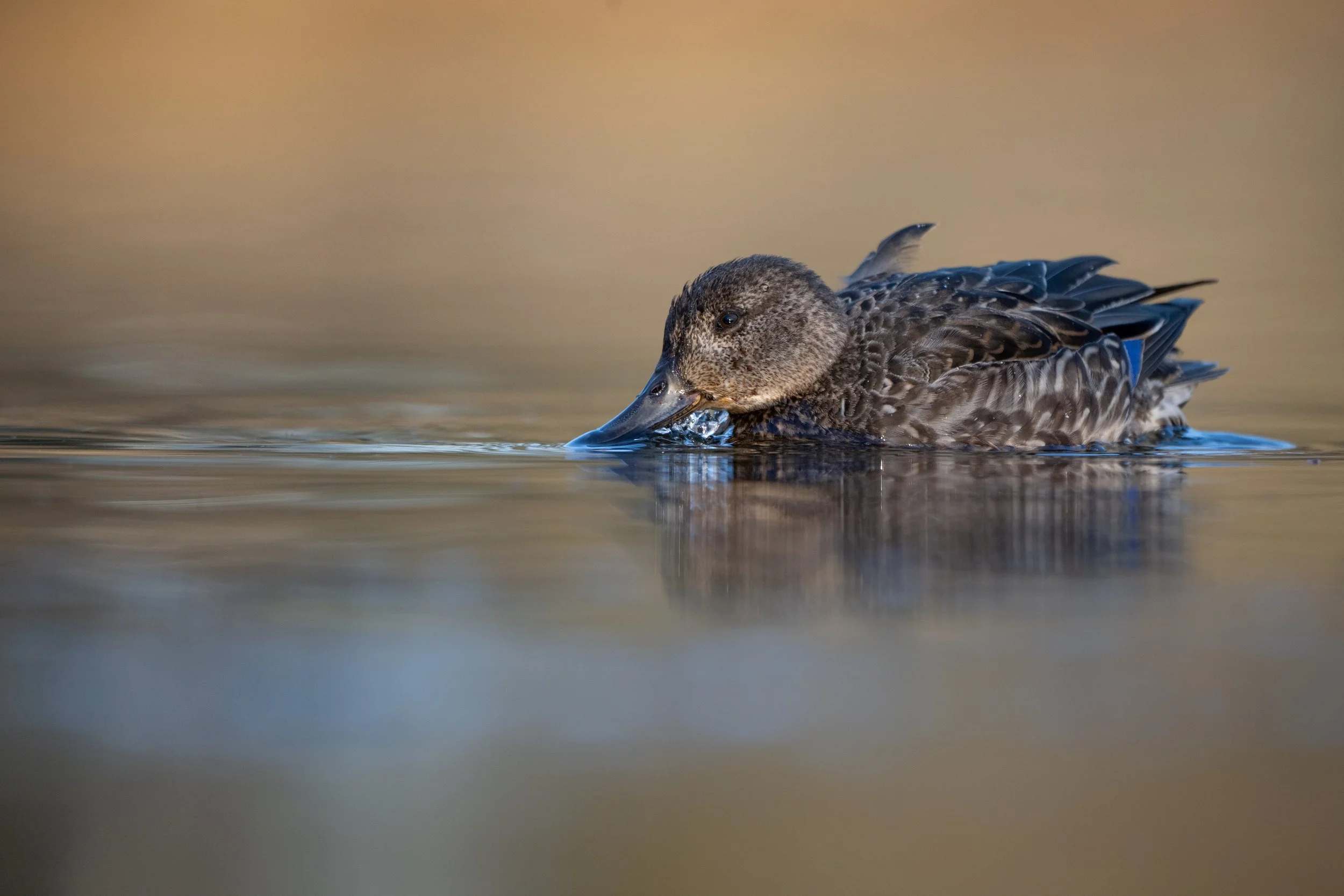
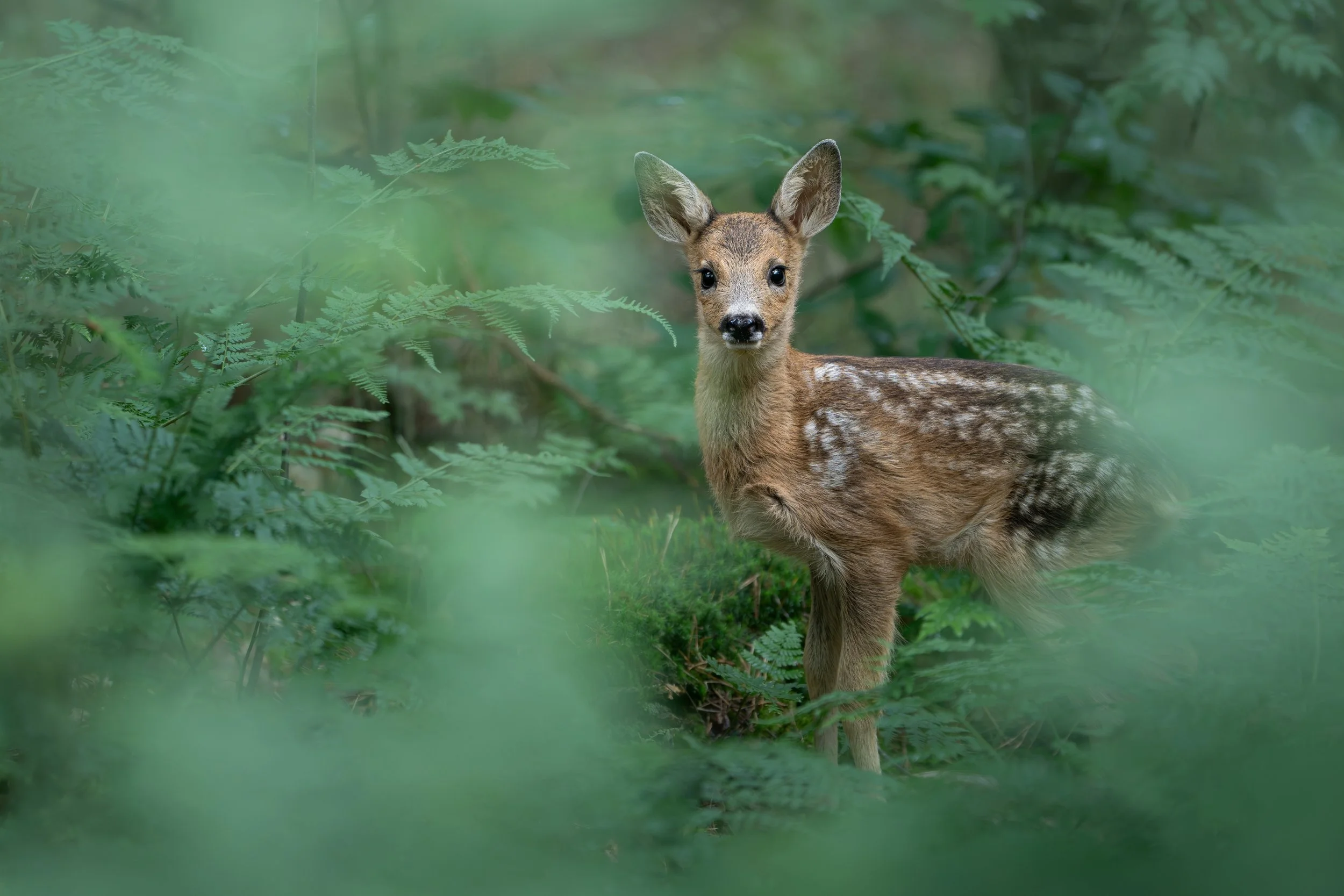
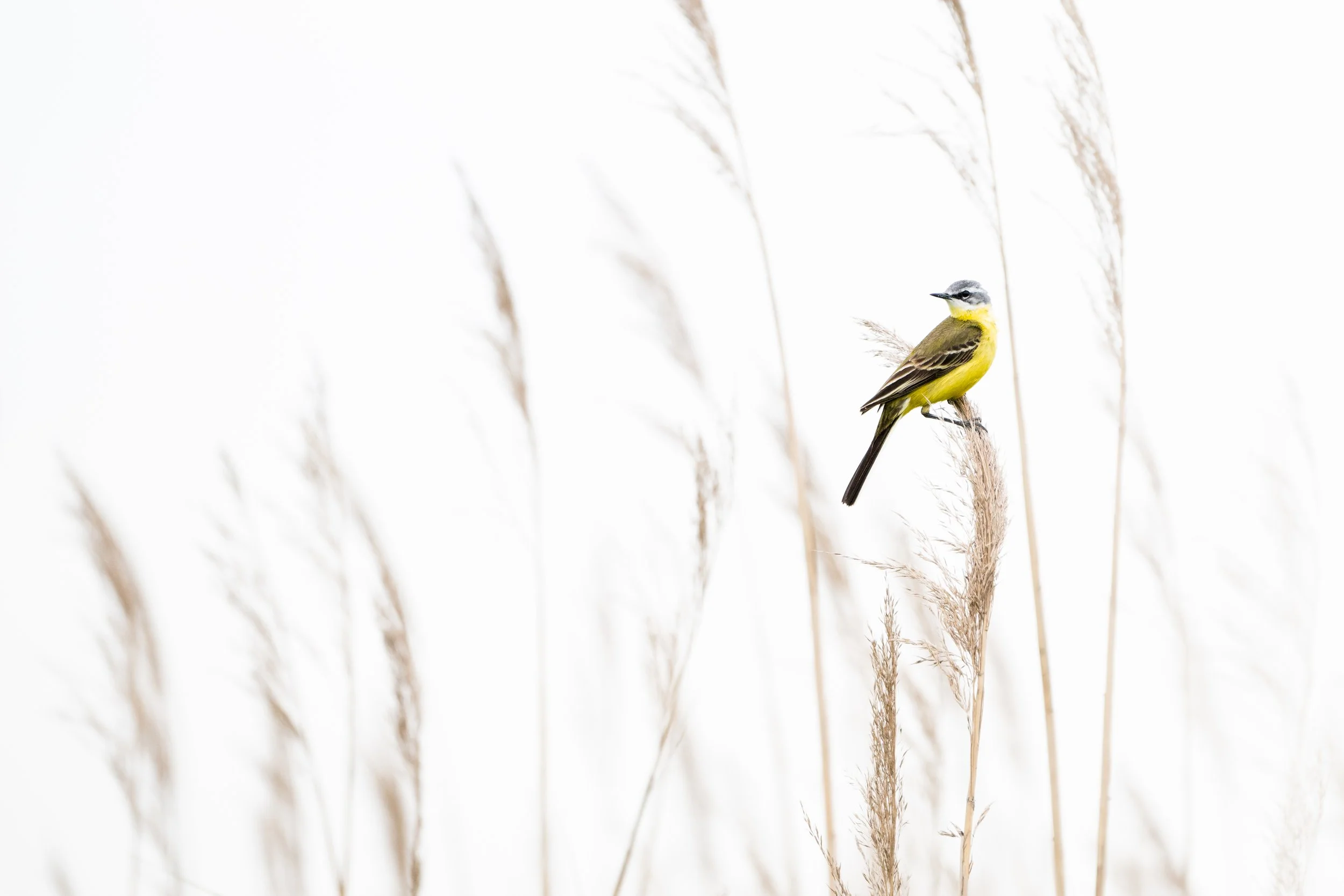
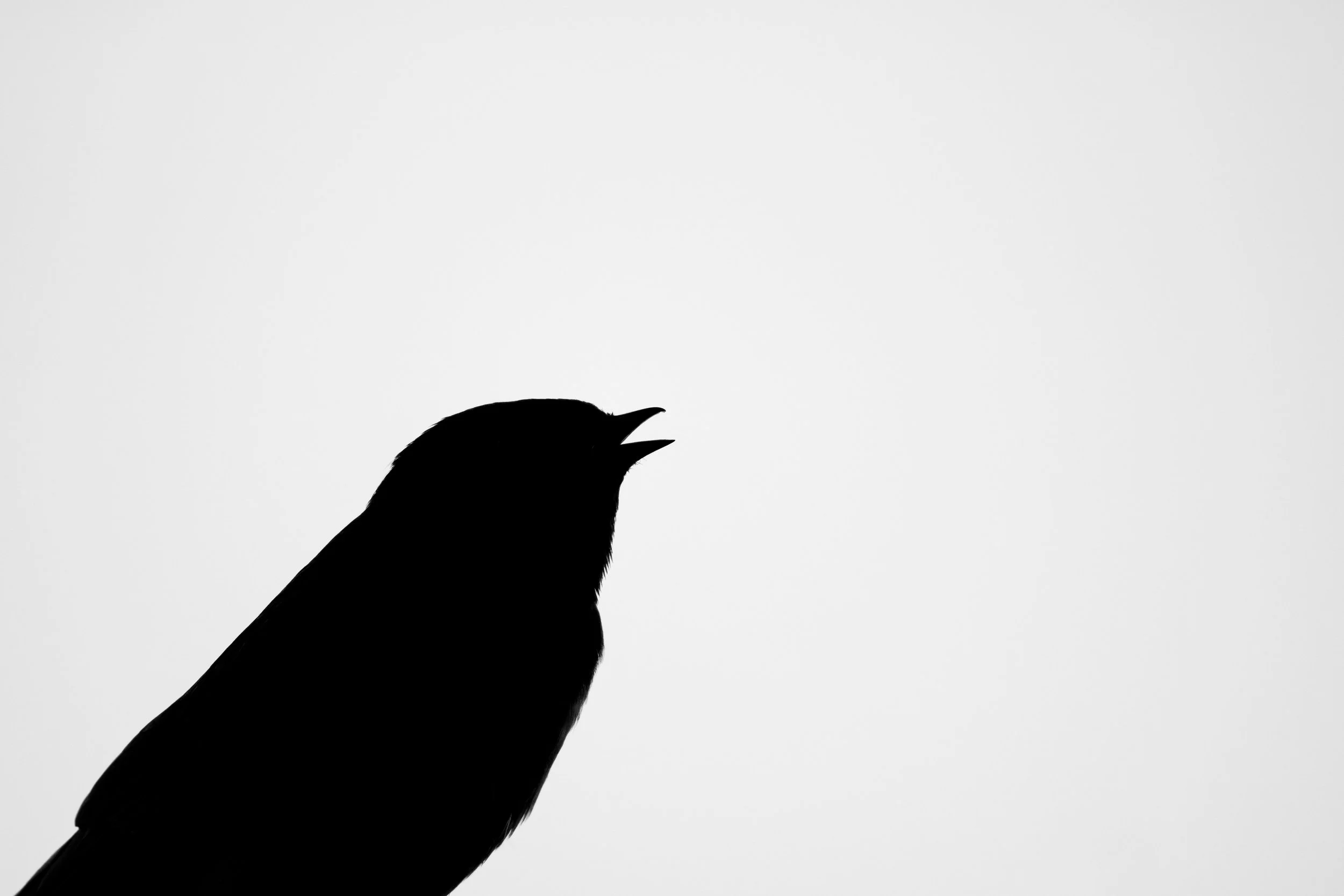
Please find below a gallery of the story I believe our Dutch heritage entails. But first, an introduction to our national bird.
Our national treasure
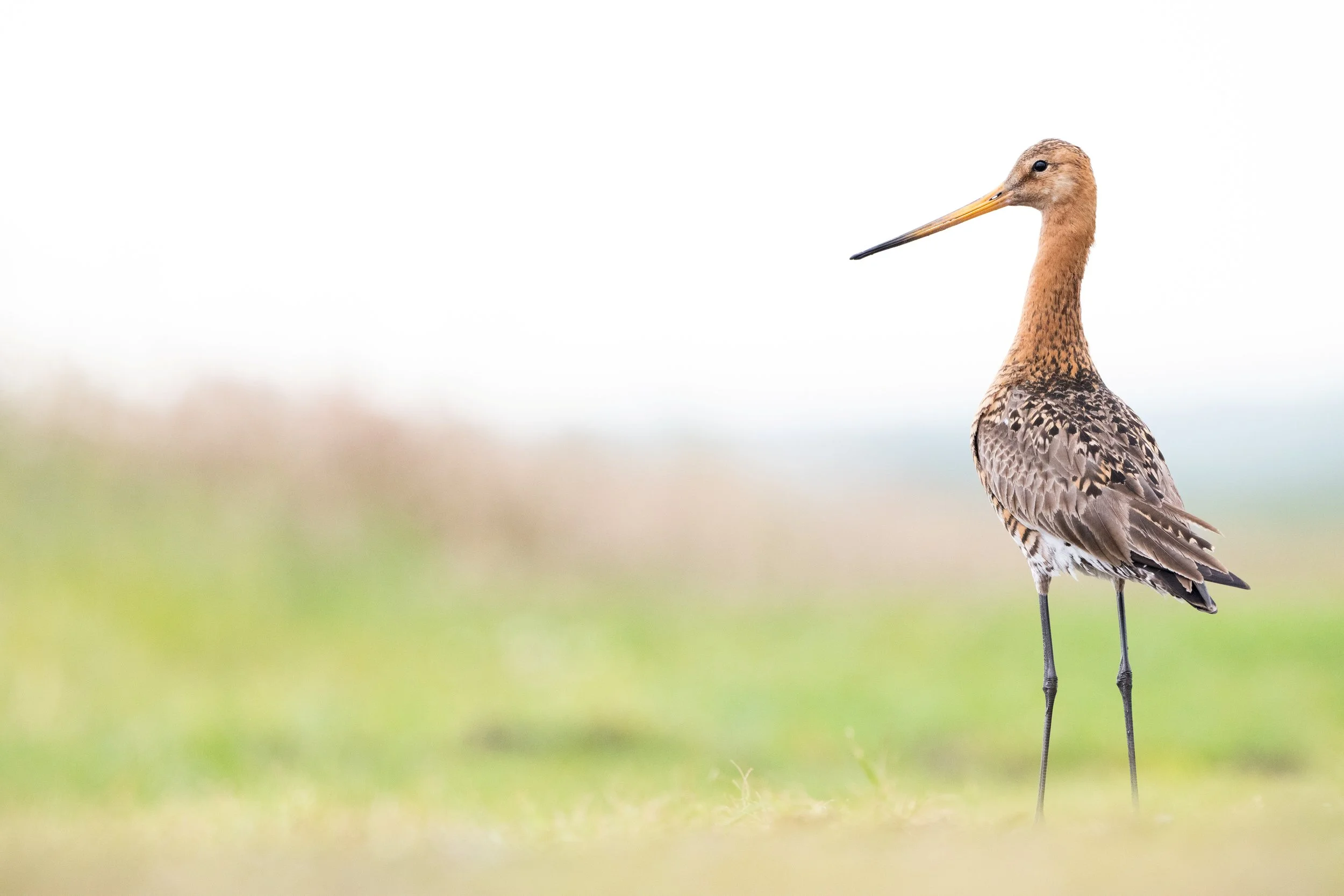
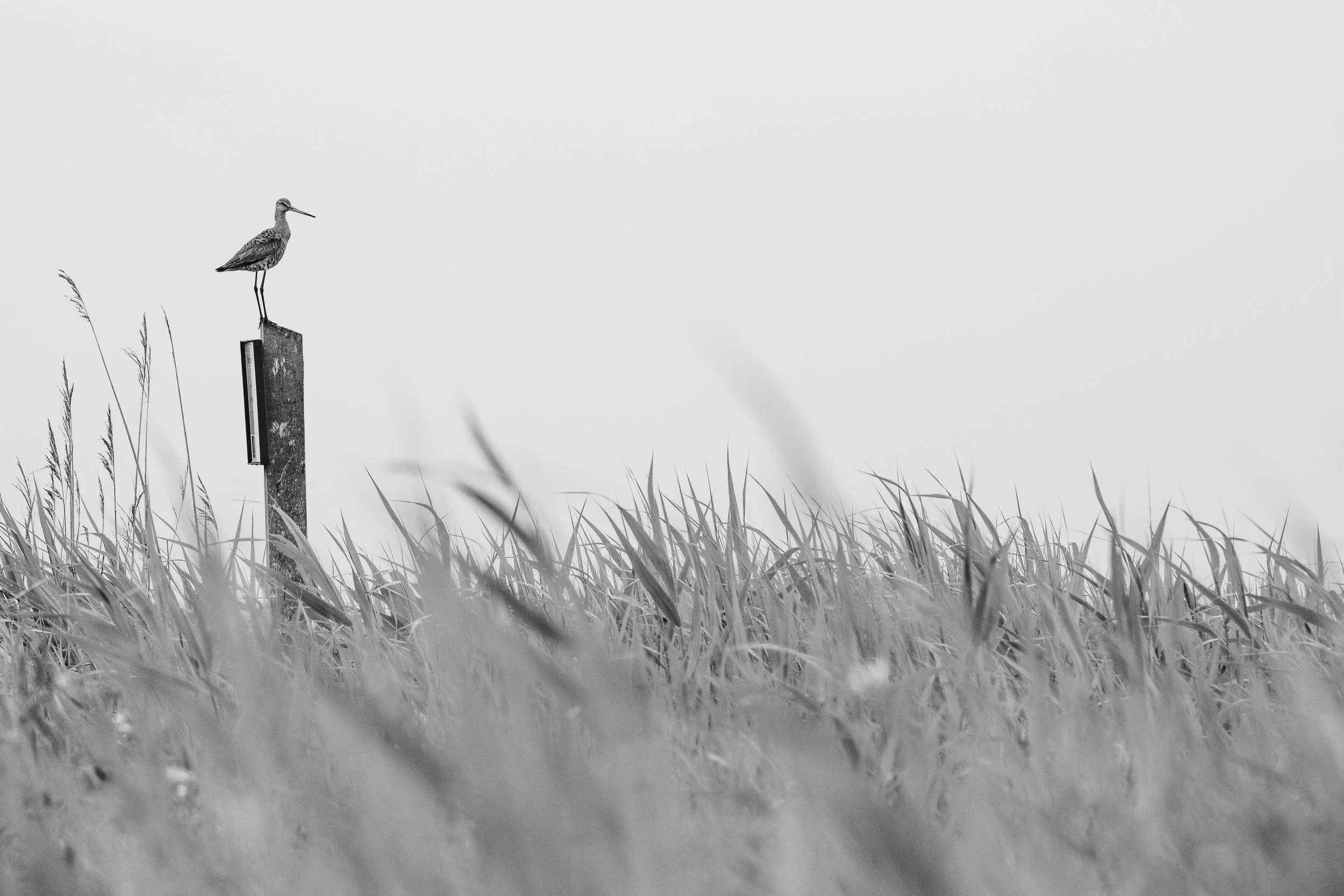
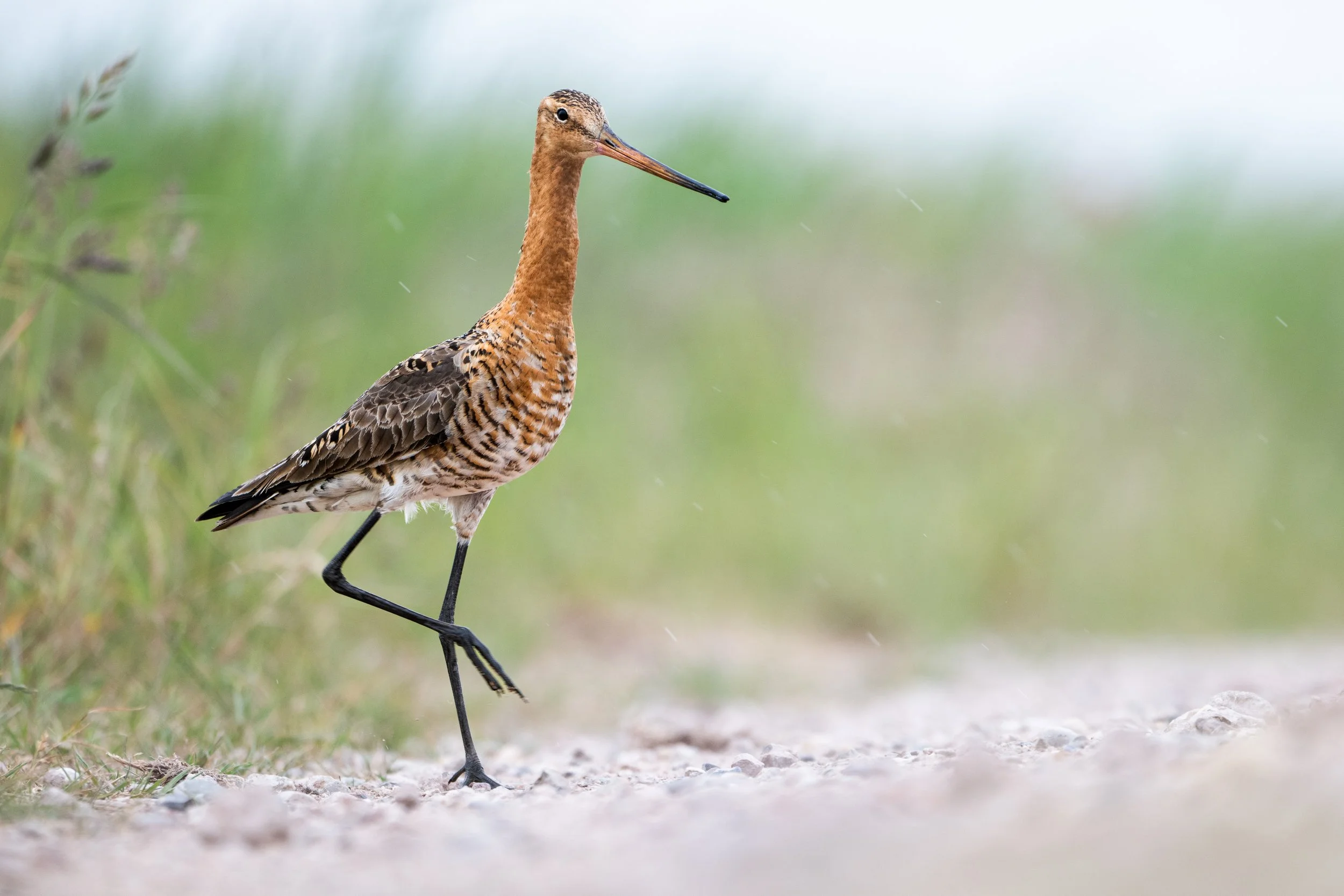
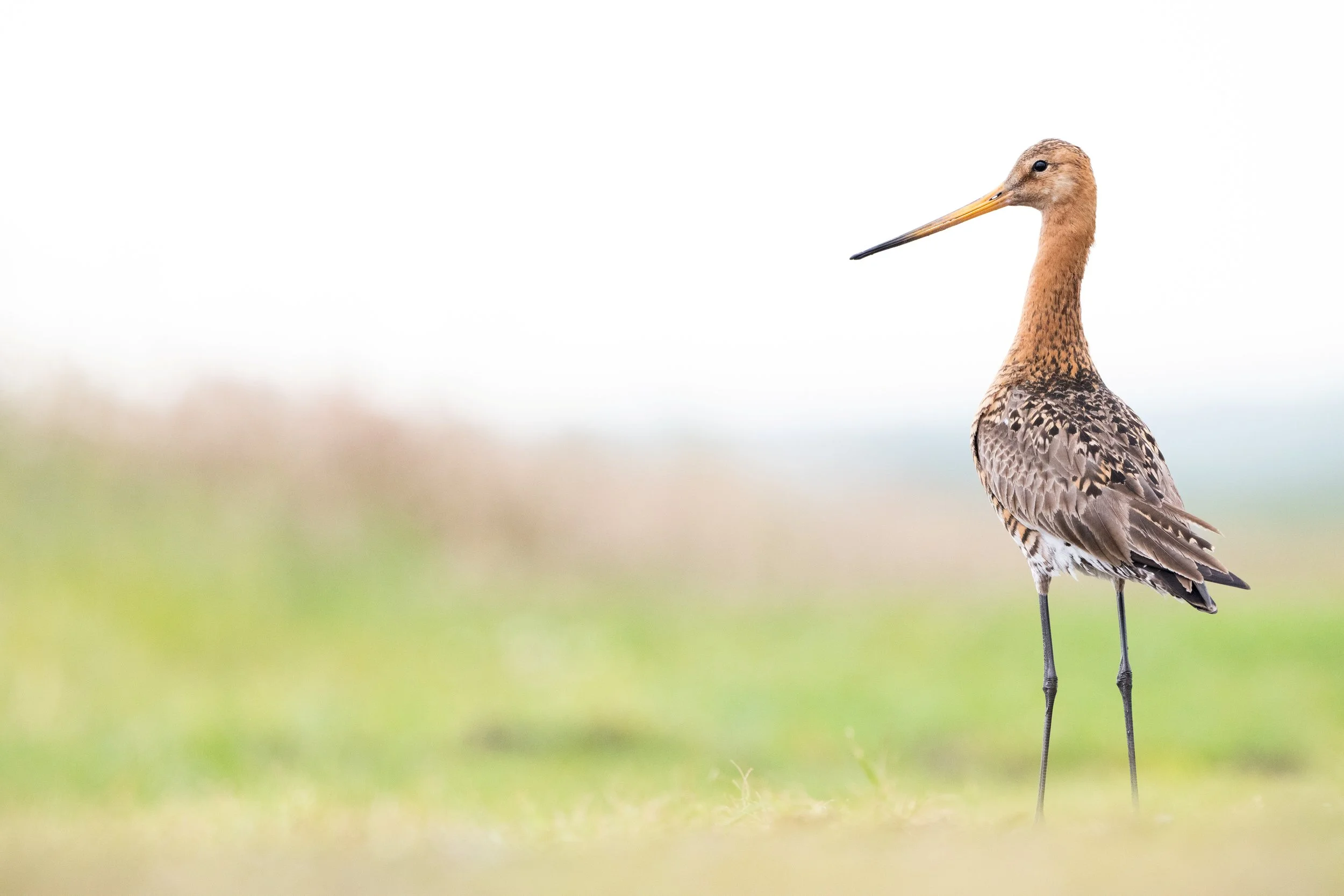
If you say ‘the Netherlands’, you say ‘black-tailed godwit’. Our small country is home to the majority of the world’s breeding population, which makes it all the more worrying that this species is facing a steep decline. The black-tailed godwit thrives in herbaceous grasslands, where insects are plentiful. However, a decline in suitable habitat (grasslands are mostly dedicated to cattle) has turned this species’ status to ‘unfavourable’.
Now, this species serves as the mascot of the nature-friendly agricultural section. Having been chosen as our national bird in 2015, protecting this bird will undoubtedly benefit many others.
The Dutch name for this godwit is “Grutto”, taken from the calls that these birds make: “GUT-Twooo GU-TOO.”


An exotic place
The Netherlands is home to a beautiful set of native wildlife. However, our country houses a wide range of non-native species, too. In fact, the Netherlands is the frontrunner when it comes to non-native birdlife in Europe!
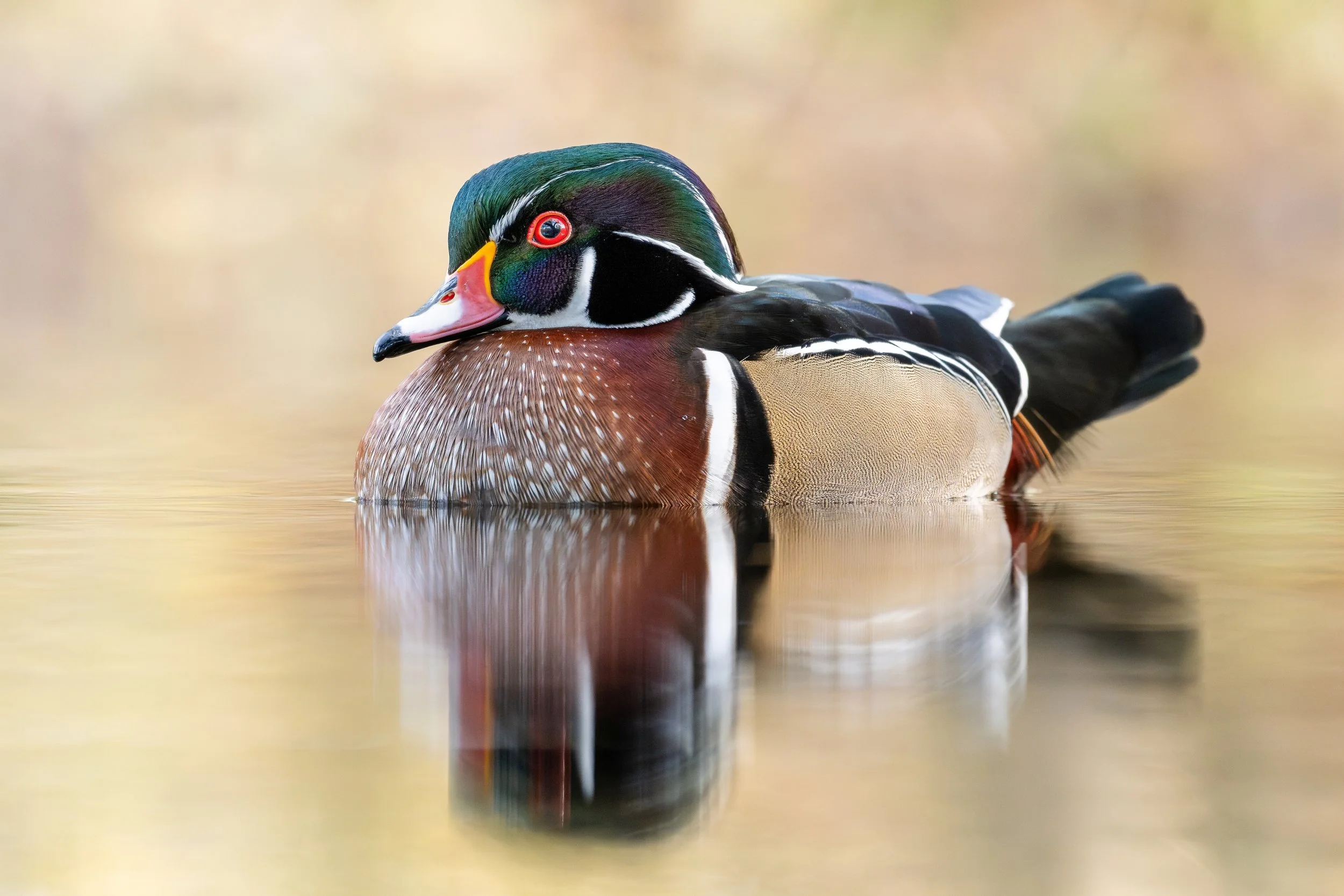
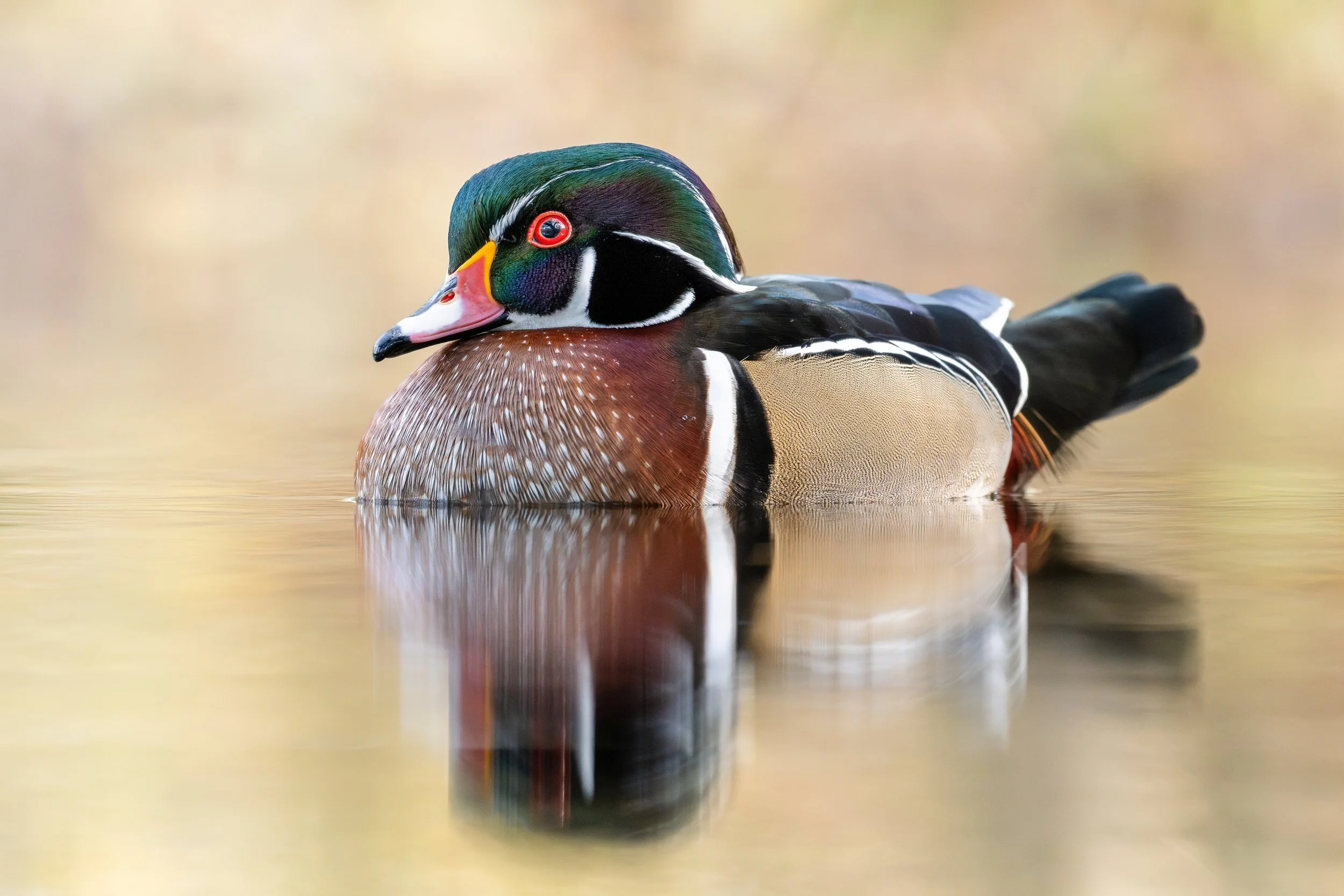
The largest set of aliens are originally escapees from hobbyist waterfowl enthusiasts. Species like Canada geese and Egyptian geese are mainstays, and I can’t imagine our country without them. The population of the brilliant green rose-ringed parakeet in my local park has increased from 4 individuals in 2024 to about 21 in 2026, and smart male Mandarin ducks, hooded mergansers, and Wood ducks can be found sporadically throughout the country.
Not all aliens are harmful by definition. We have plenty of nesting spaces for parakeets, and even more protein-rich grassland to sustain the ever-growing population of waterfowl. However, aliens like the American crayfish, muskrat, and Japanese knotweed have the potential to destroy entire settled ecosystems. The government is actively trying to manage their populations.
‘My’ robin
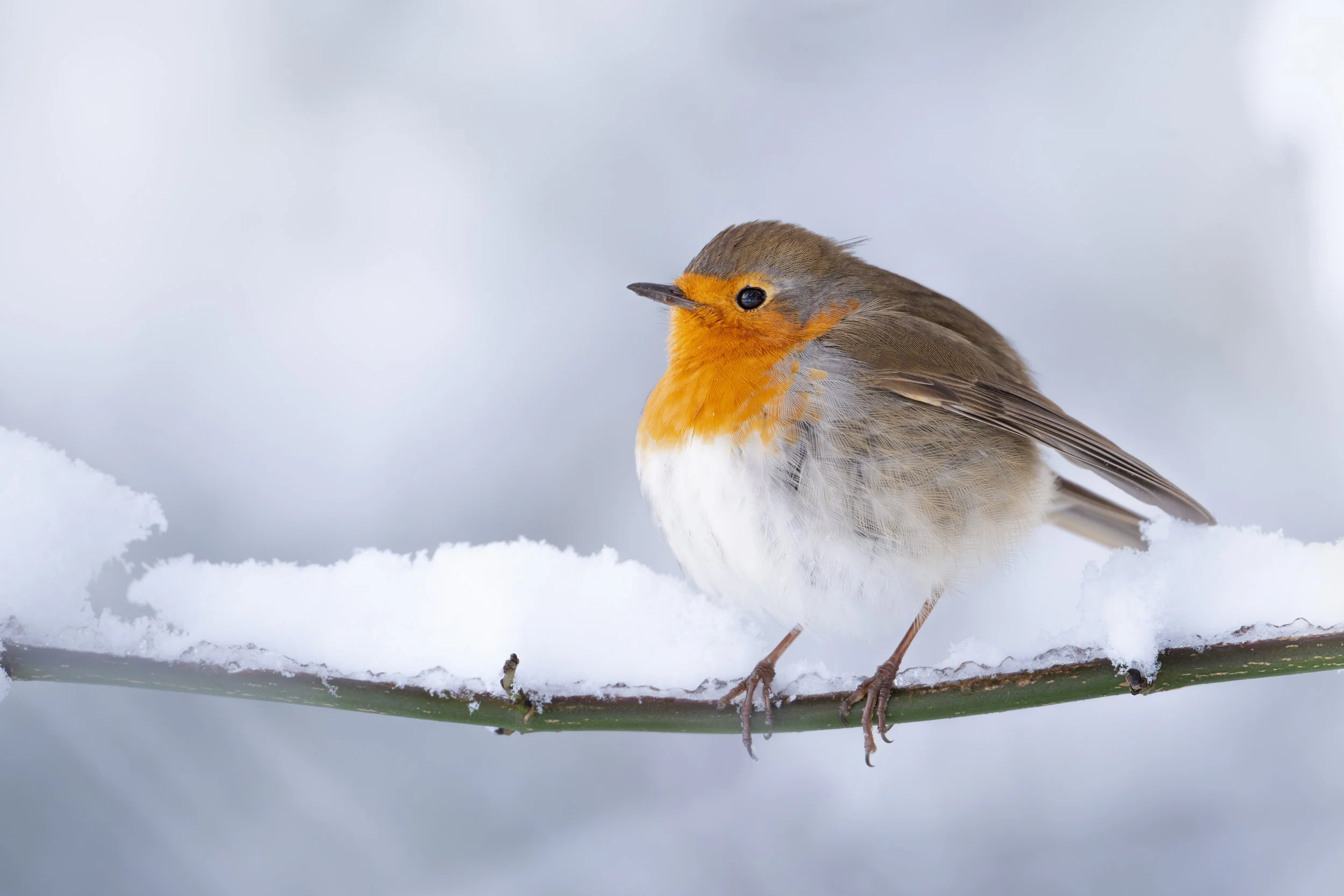
To many northwestern Europeans, the European robin is a good omen, often representing a deceased family member. This trusting brown bird with a flaming orange breast shows up in most gardens. We’ve known for a while that robins can recognize individual humans. For example, one of the robins at my dad’s place had learned that ‘that bald man with a shovel’ tends to drive some tasty worms to the topsoil, so this bird greedily greets him when he walks past.
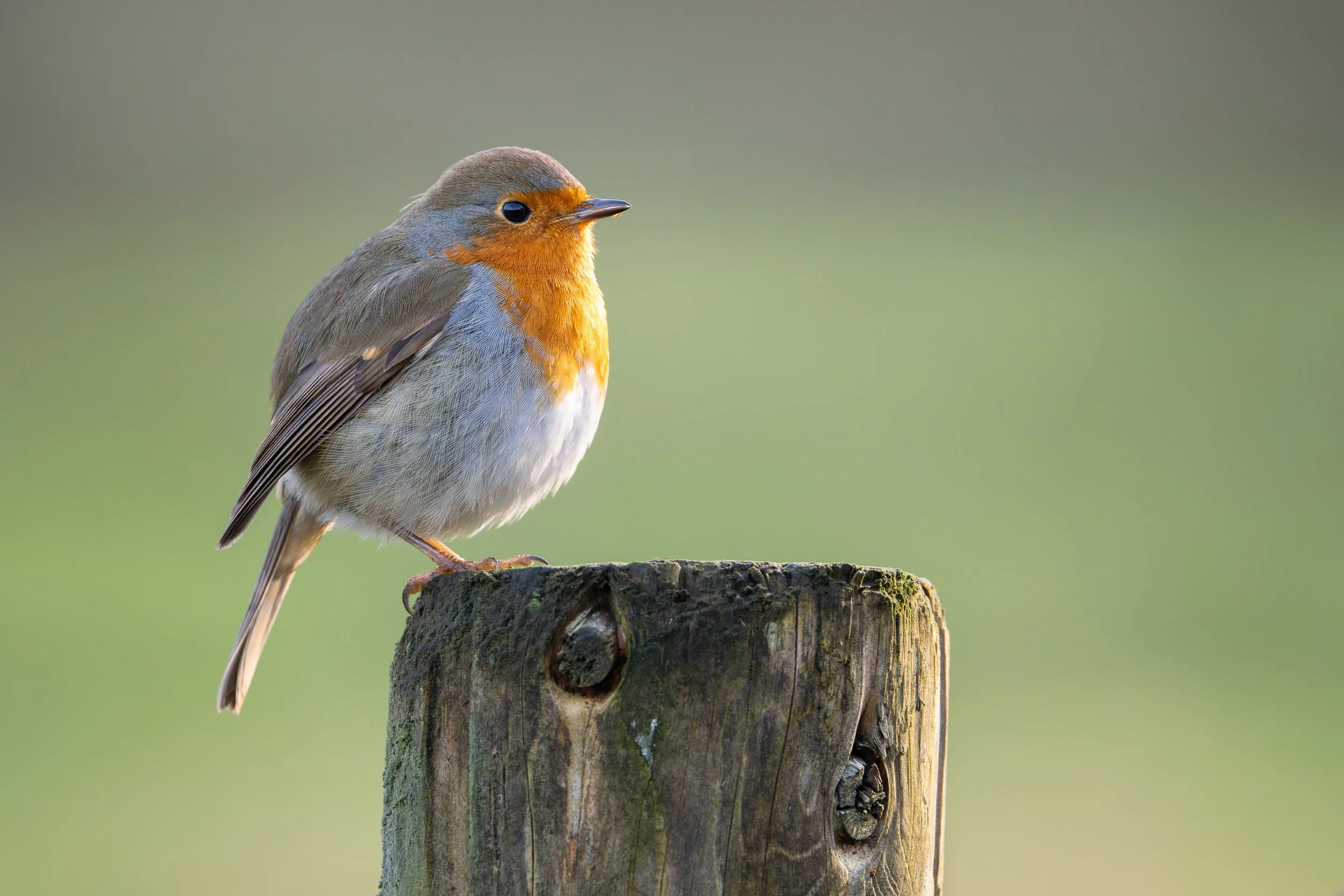
I don’t have a garden yet, so I’ll have to make do with robins elsewhere. Luckily, I know several particularly trusting ones. The robin you see on your left is my favourite. I’ve photographed him across three years now.