On ethics
My photography and writing are rooted in a simple goal: to encourage appreciation for birds and the ecosystems they depend on. As a wildlife photographer, I believe that understanding the species and knowing when to stop is more important than making an image. Every photograph is guided by one priority above all: the welfare of the animal and the protection of its habitat come first.
When you view my work, you can do so with confidence that the following principles guide it:
No disturbance. I avoid actions that change a bird’s natural behaviour
Respect. I only get close when an animal is comfortable, and rely on long lenses, patience, and observation rather than proximity.
Seasonal sensitivity. I take extra care to minimise pressure during breeding season, migration, and other vulnerable periods.
Habitat protection. I stay on paths where possible and avoid damaging vegetation, nests, feeding sites, or other sensitive areas.
No manipulation. I do not use calls or playback to influence behaviour, and I do not alter nature for a photograph.
Responsible sharing. I do not share photographs that show distress, and I don’t share sensitive locations that could put nature at risk.
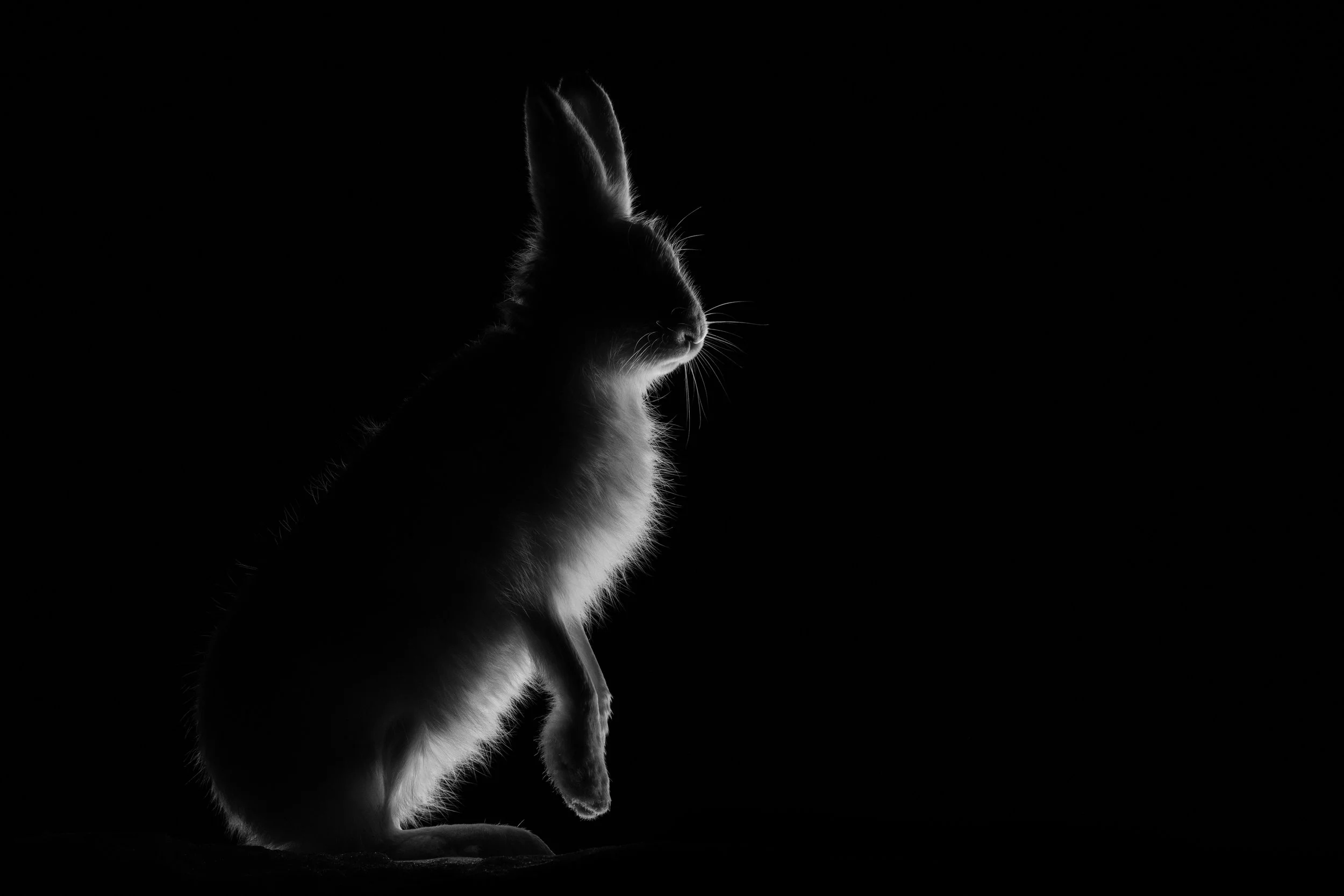
A small number of photographs on my site were taken from hides or locations with feeding stations. You can find these frames below.
Ethics are not static. As I continue to learn from bird behaviour, conservation science, and responsible field practice, I update my approach, my website, and this statement to reflect that growth.
I welcome questions about how my images are made as I believe transparency builds trust. However, I won’t share locations.
I took this photo of a long-tailed duck drake on a commercially hired boat. At times, the boat got so close to the feeding, preening, and displaying ducks that they took off. Yes, I got some photos I would generally be happy with, but the aftertaste was sour. I should have spoken up about the clear disturbance.
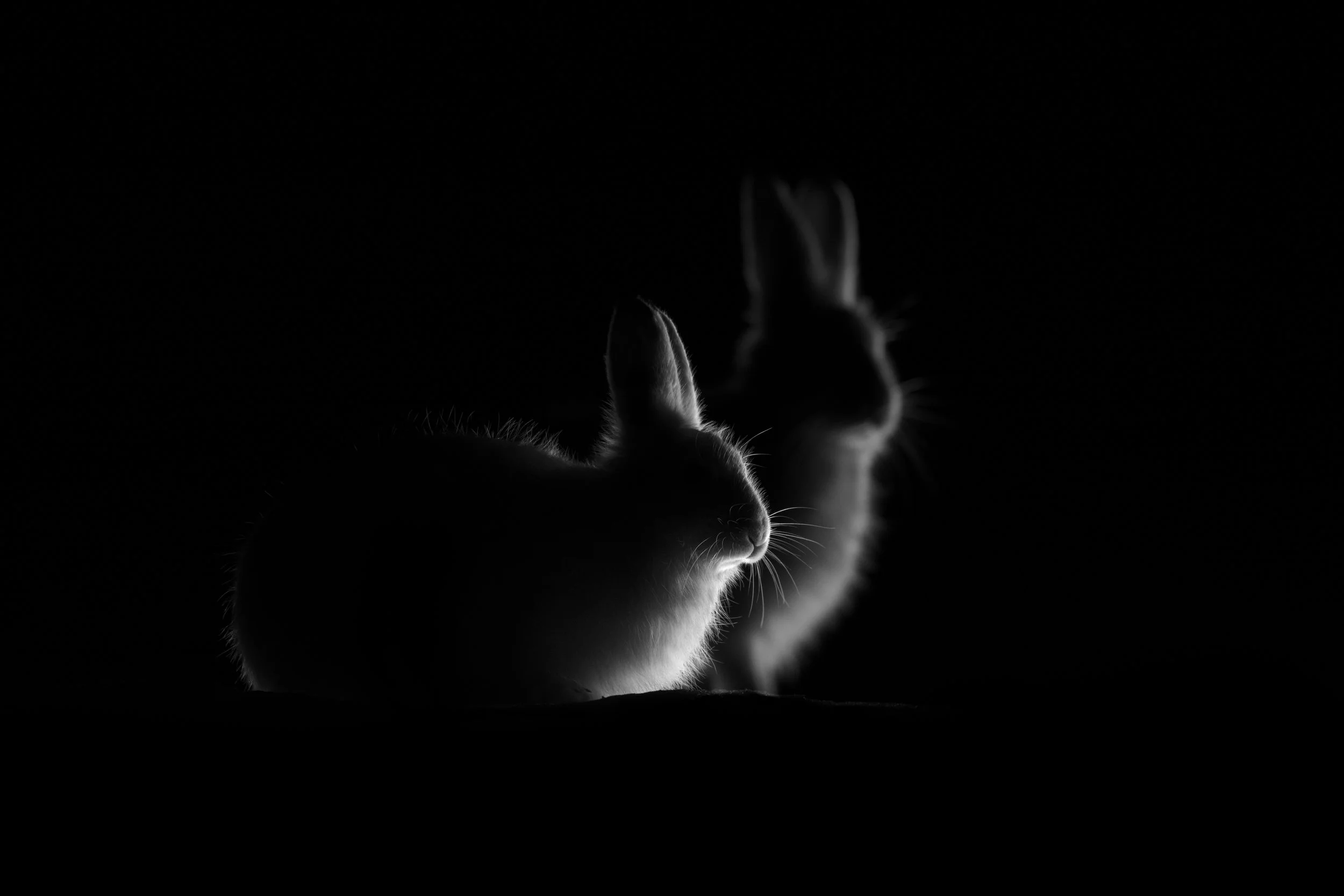
The following photos on my website were taken from commercial hides. In short, this means I paid (directly or indirectly) to spend time in an enclosed building waiting for birds and other animals to show up. The animals are generally lured with water or food, but never with sounds. The animals did not know I was there.
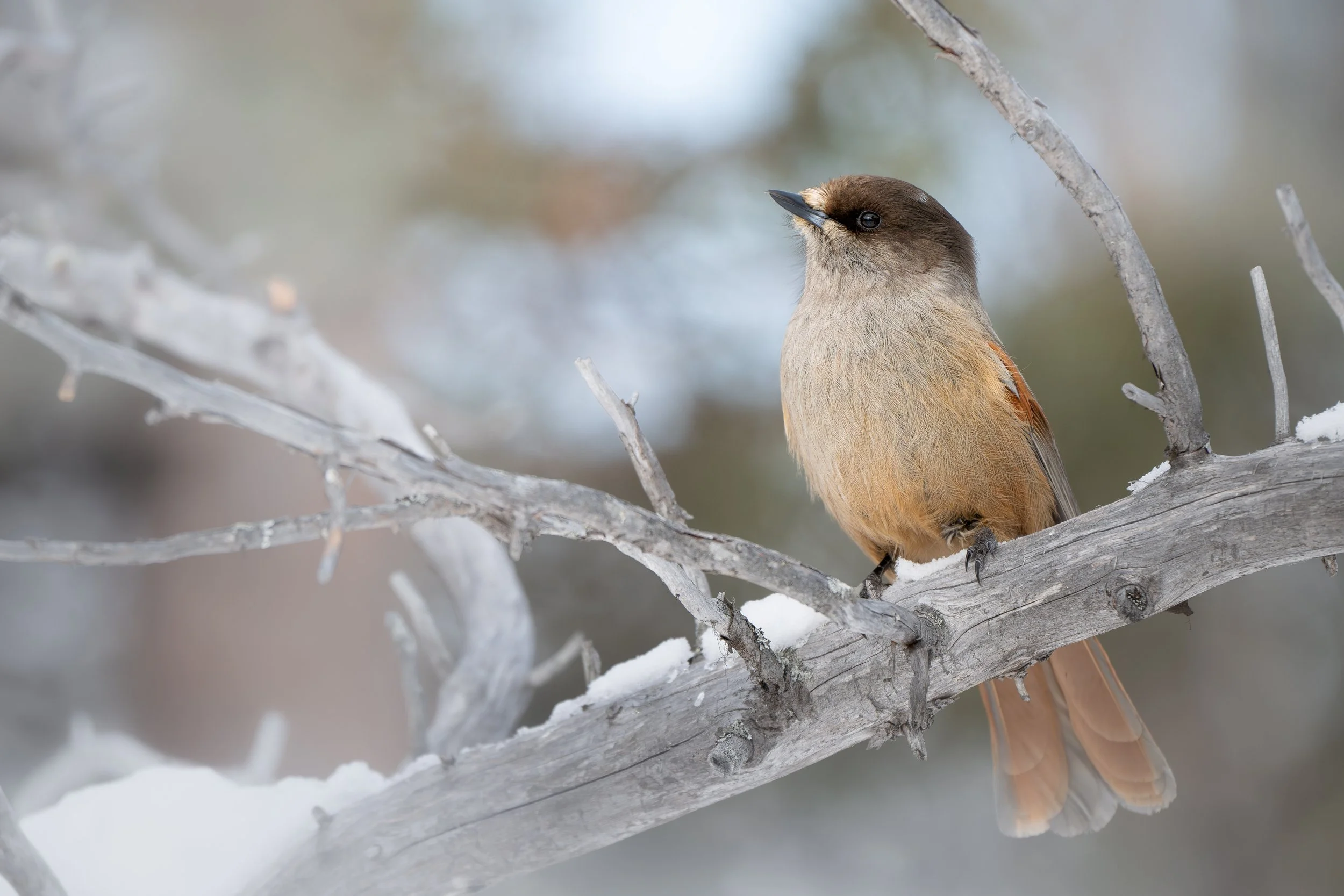
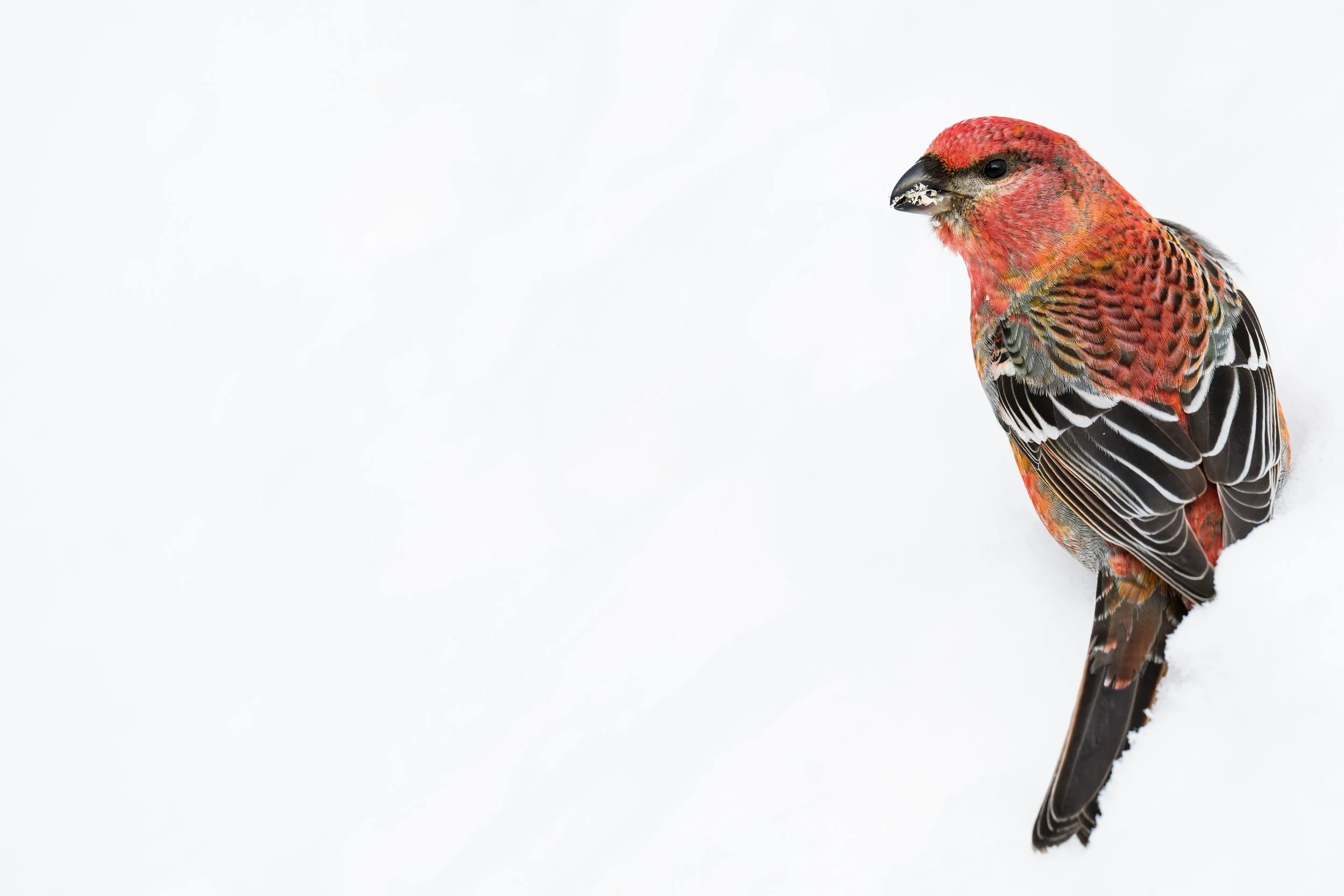
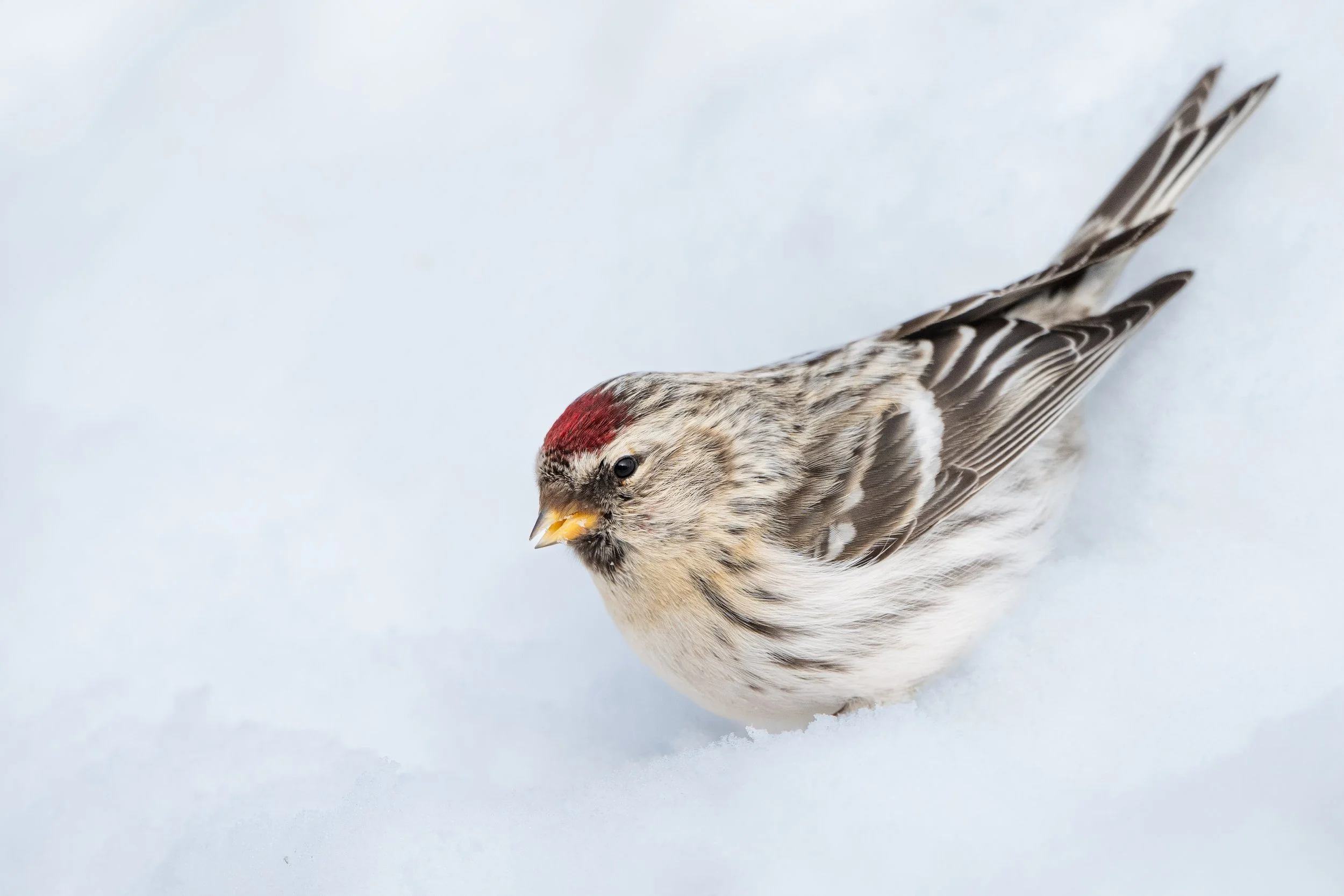
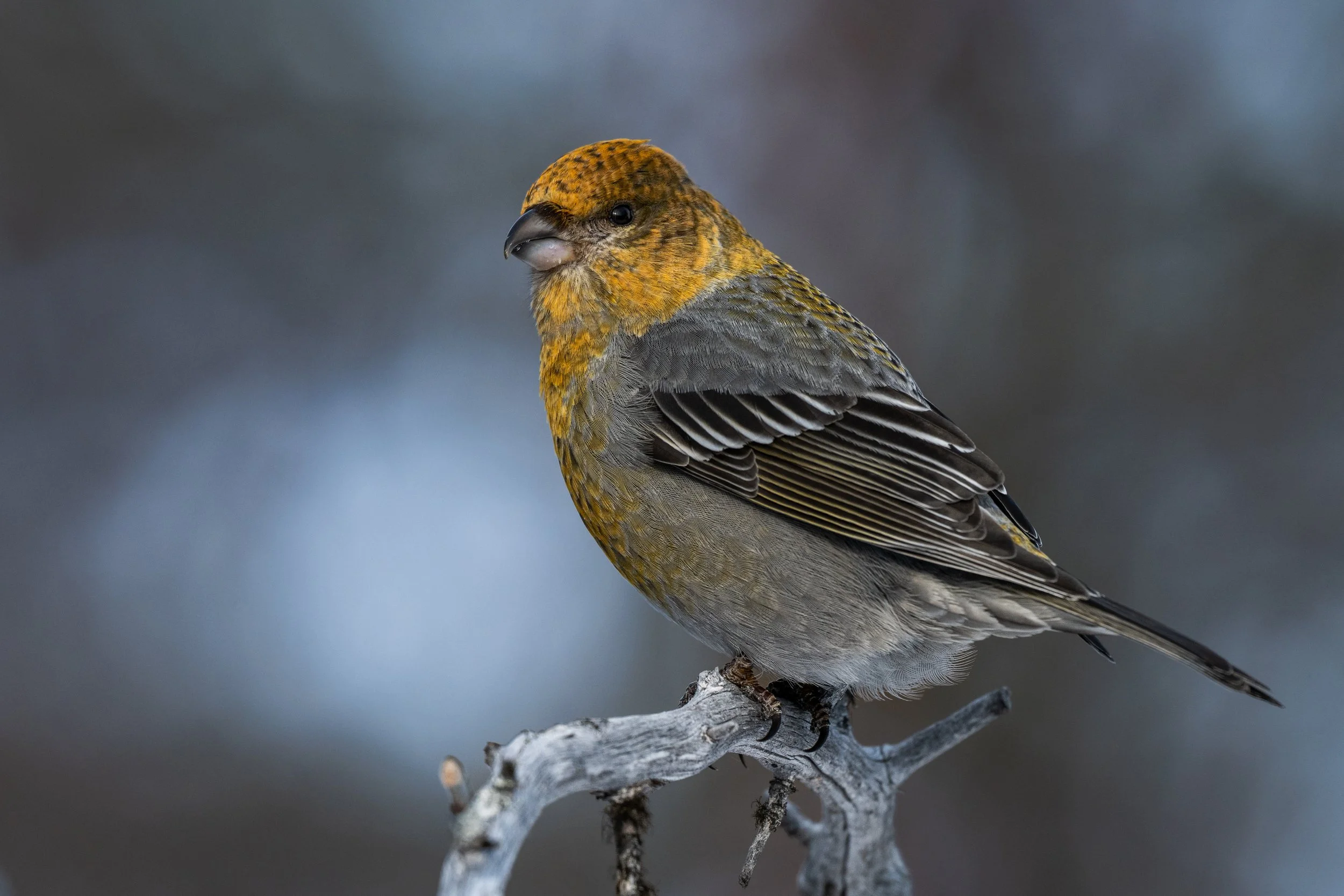
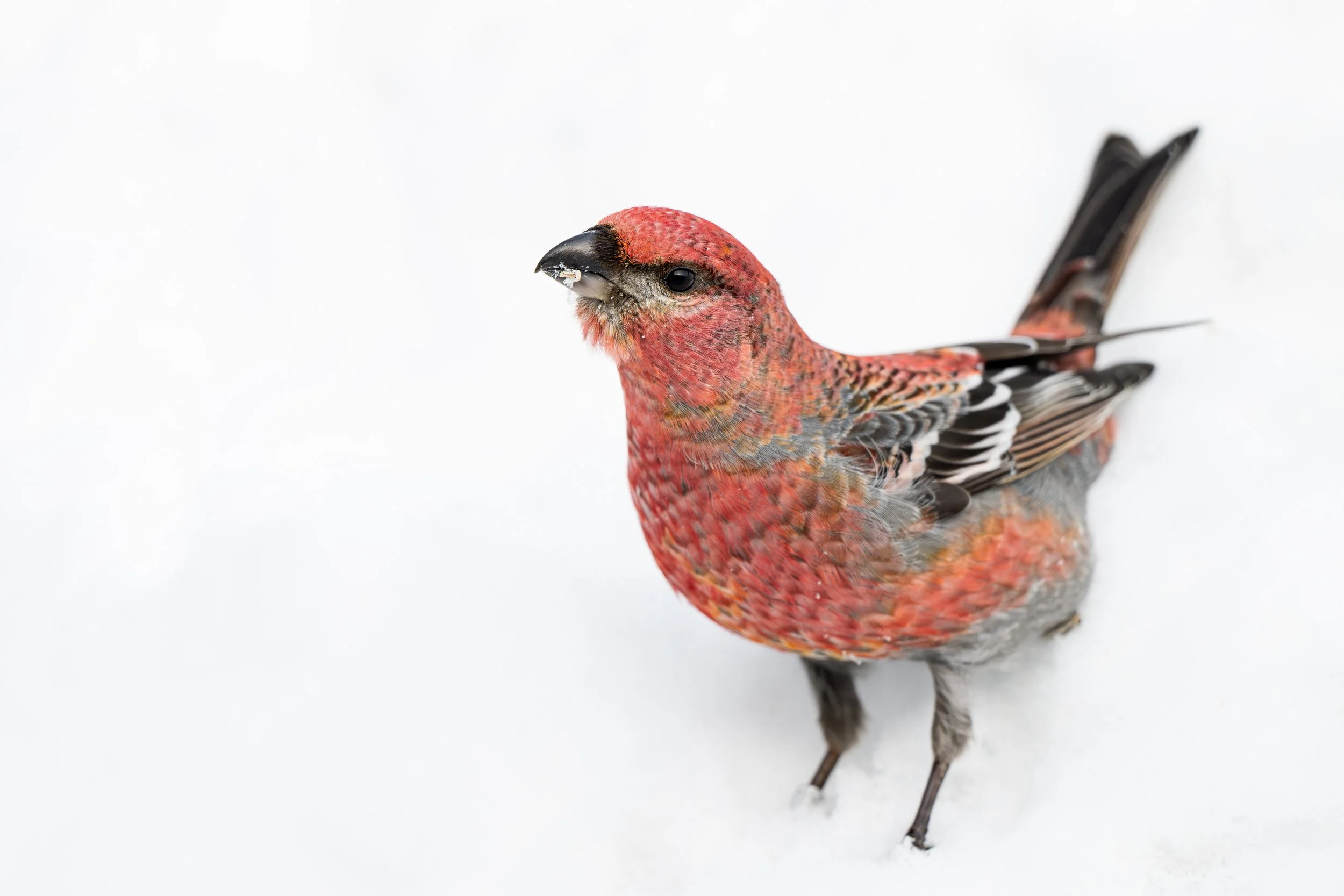
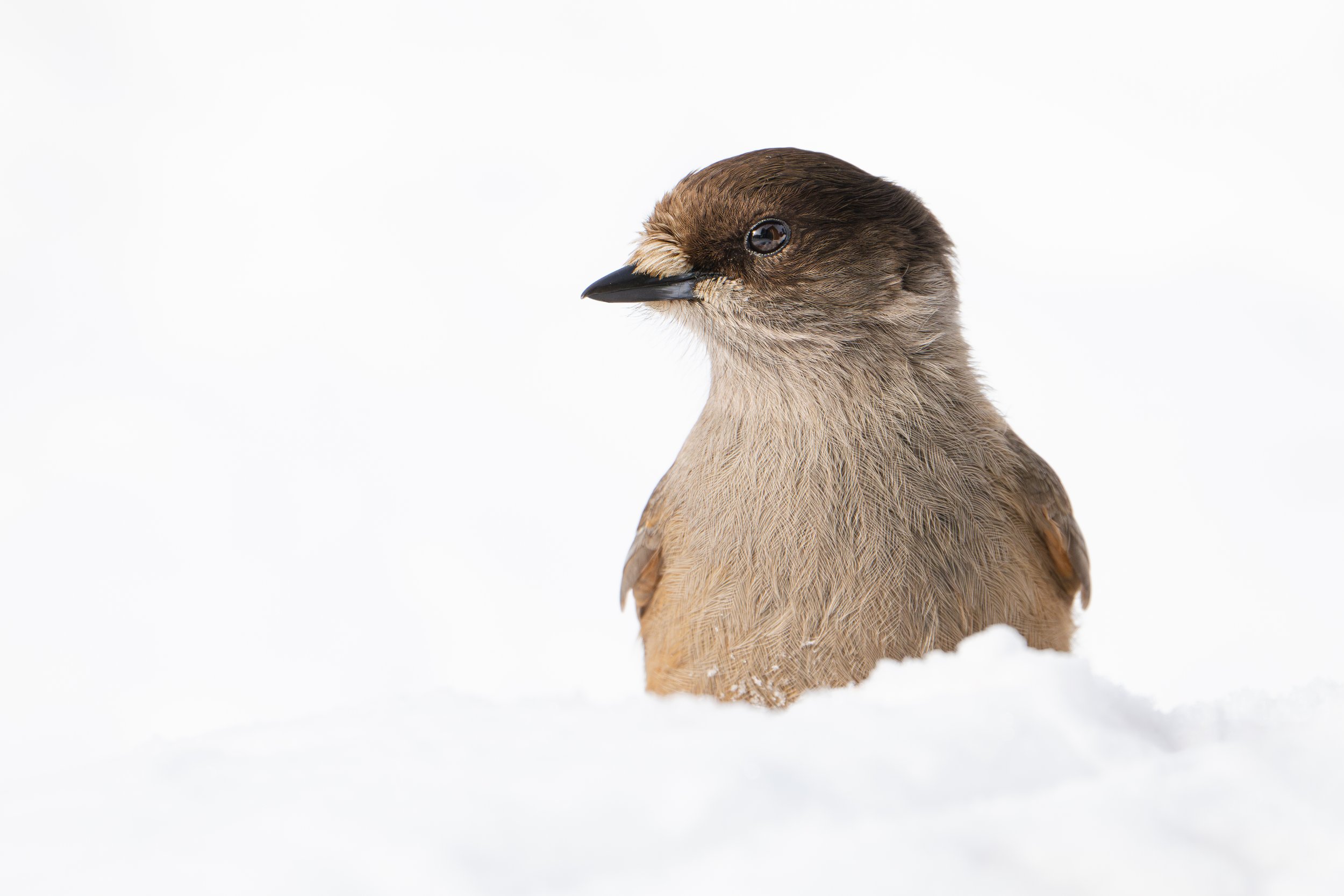
Additionally, I took several images from a feeding station in Finland where the birds were lured with food. I was visible to the birds there.
I will add the names of the hides where I took the photos so you can look into booking them yourself.
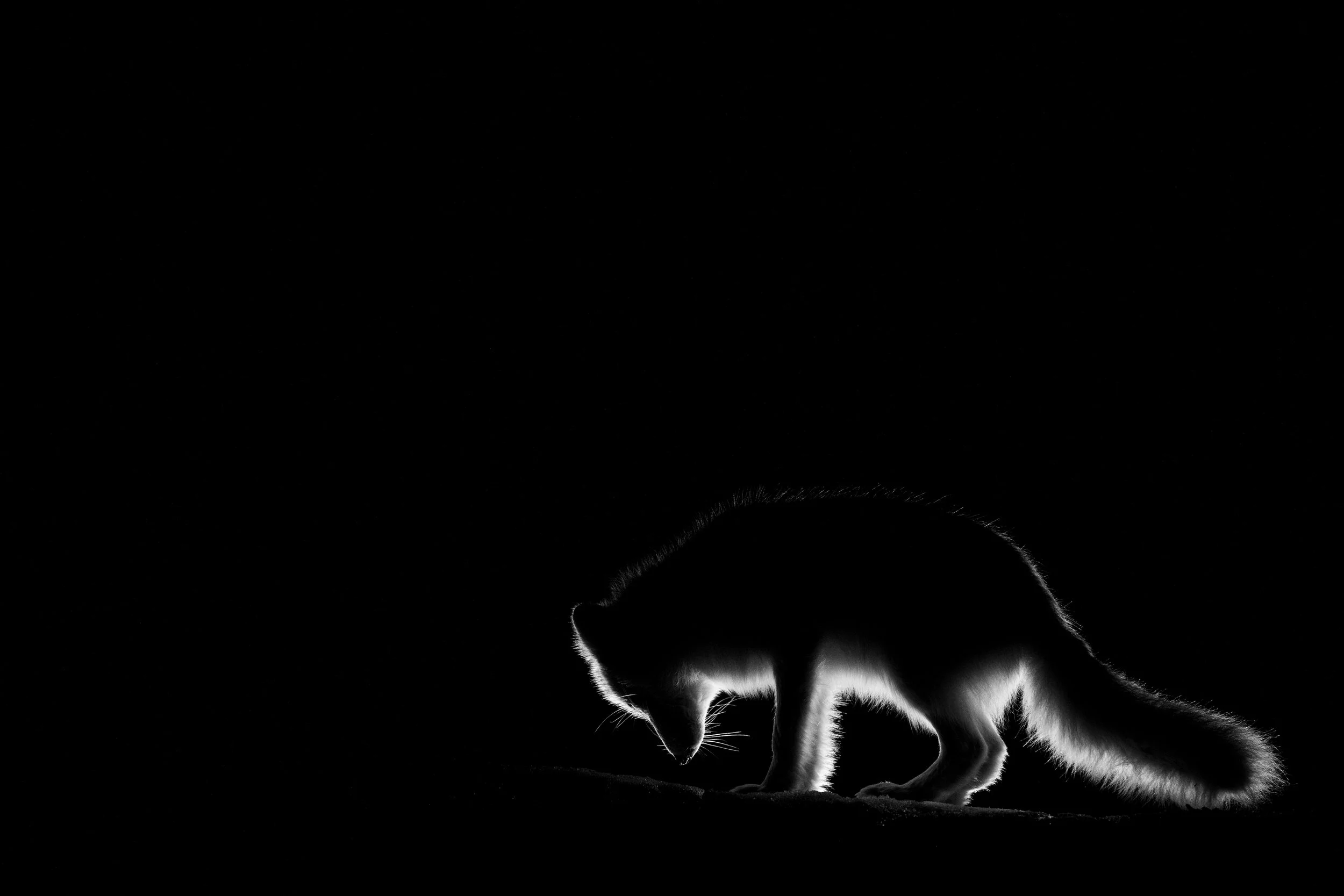
Mountain hare hide | Norway
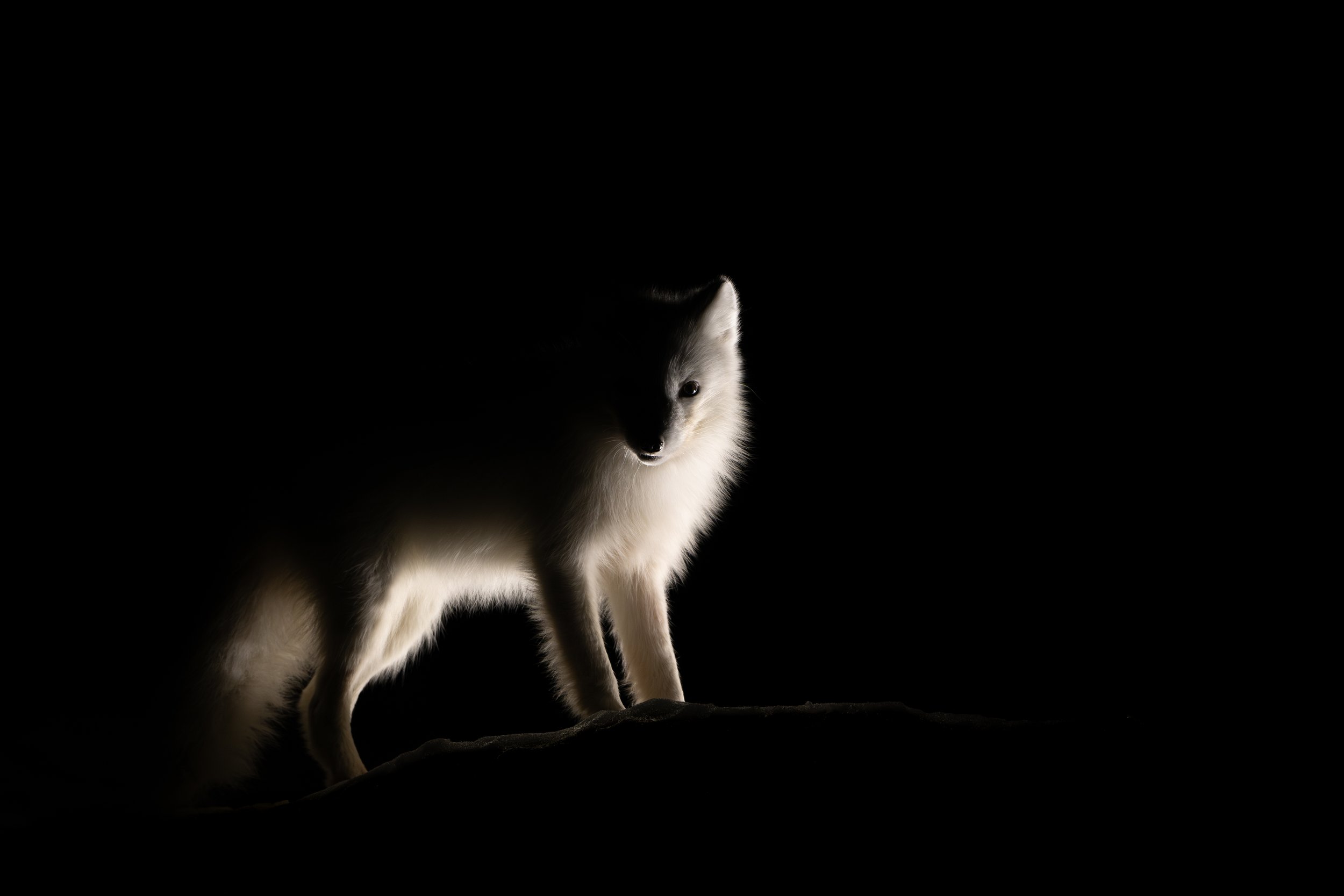
Fotohut Utrechtse Heuvelrug | Netherlands
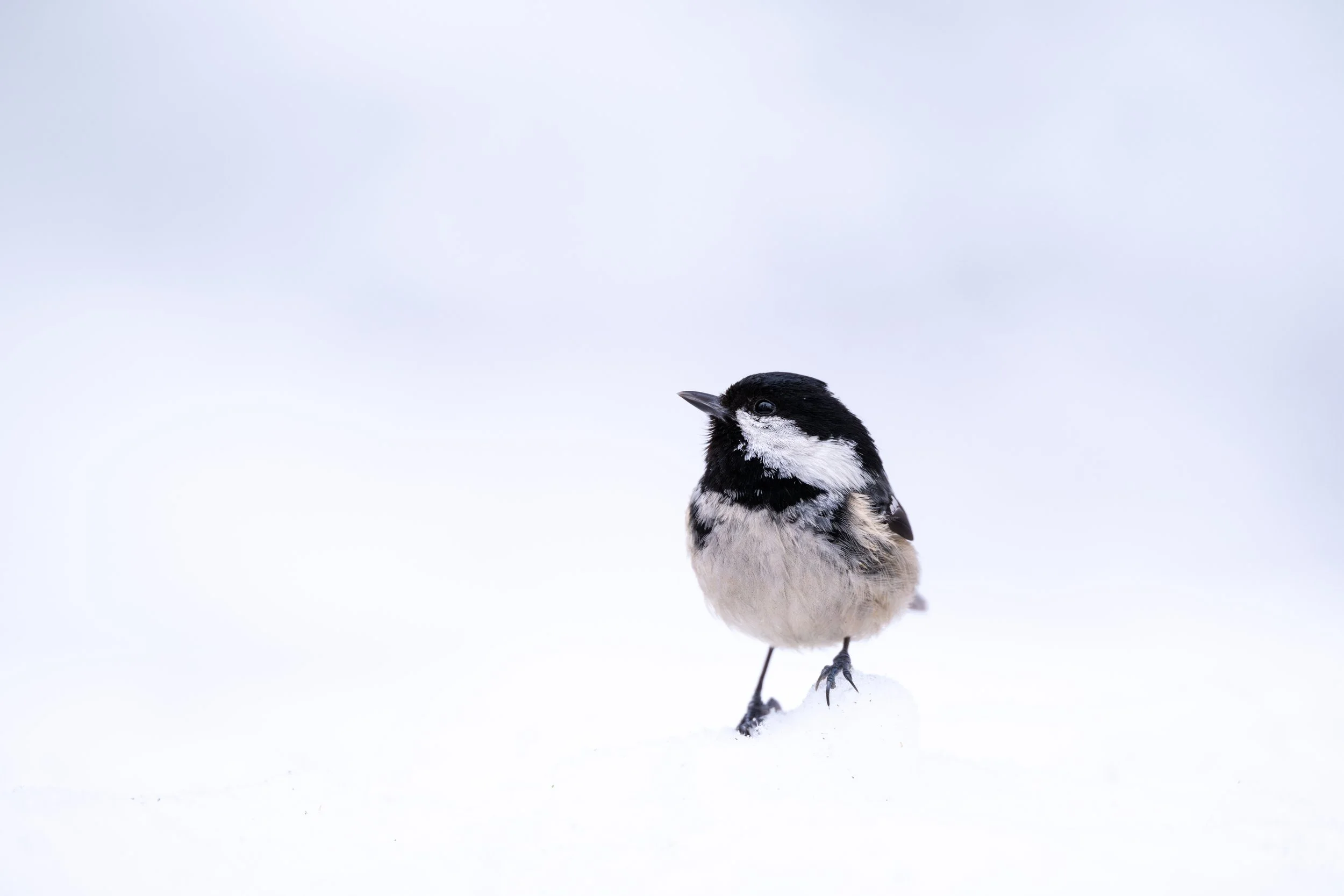
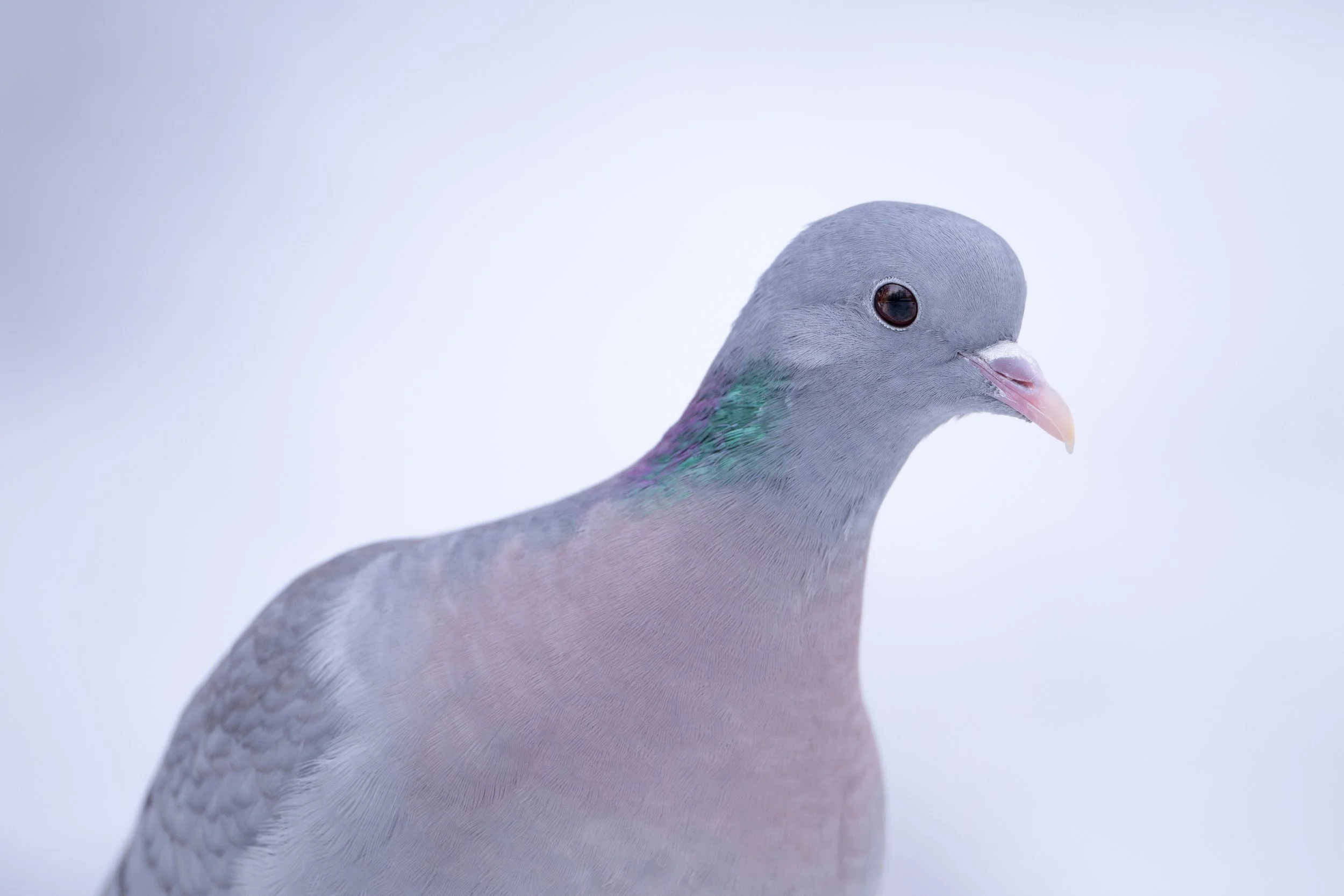
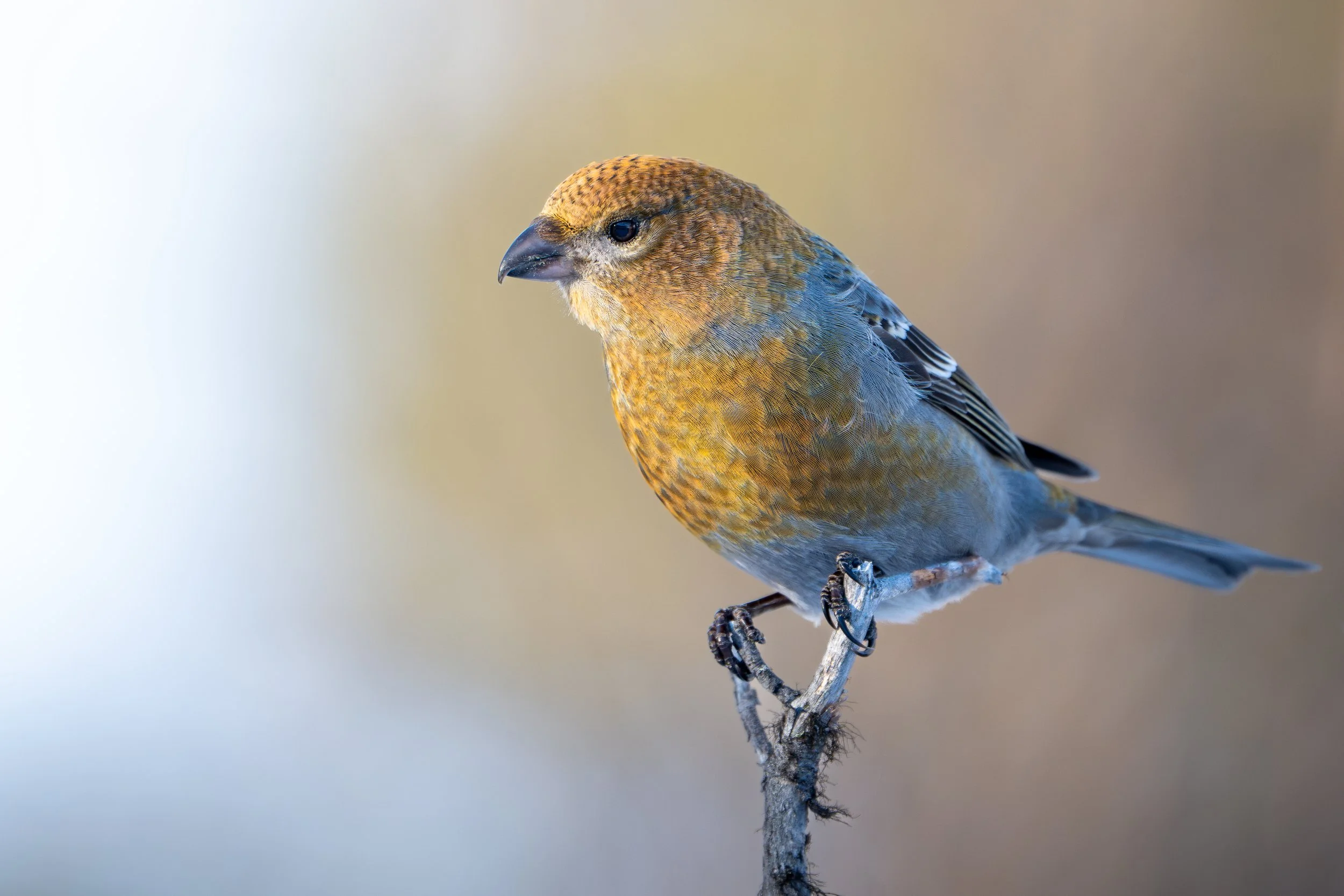
Kaamanen bird feeder | Finland